
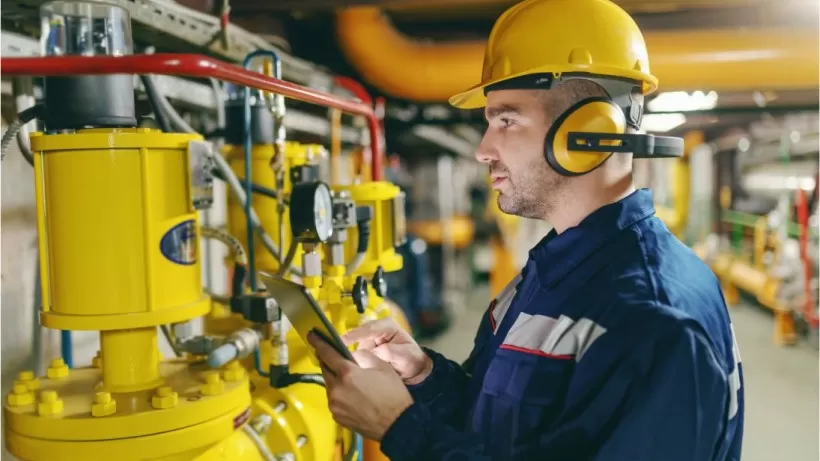
In today's competitive industrial landscape, energy efficiency is more than a goal—it's a necessity. Reducing energy consumption not only cuts costs but also supports sustainability efforts and regulatory compliance. One of the most overlooked contributors to improved energy performance is the pressure transmitter.
Pressure transmitters play a pivotal role in optimizing industrial systems by enabling precise monitoring and control of fluid and gas pressures. In this article, we'll explore how pressure transmitters contribute to energy savings, where they are commonly used, and how Lefoo's advanced solutions can help industries operate smarter and more sustainably.
A pressure transmitter is a sensor that converts pressure into an electrical signal for use by controllers, monitoring systems, or automation platforms. Unlike simple gauges or switches, transmitters provide continuous and highly accurate measurements, making them essential for dynamic process control.
Pumps and compressors are among the largest energy consumers in industrial facilities. With accurate pressure data from transmitters, these machines can adjust their speed and output in real-time, preventing overworking and reducing energy waste.
In processes like chemical production, food processing, or water treatment, maintaining stable pressure is key to avoiding rework, material loss, or overconsumption of utilities such as steam, air, or electricity.
Leaks, pressure drops, and blockages can cause significant energy losses. Pressure transmitters help detect these issues early by monitoring trends and deviations, allowing for preventive maintenance.
Many modern systems use VFDs to control motor speed. Pressure transmitters provide the necessary feedback to adjust speed according to real-time demand, which significantly lowers energy use.
Stable pressure readings over time indicate healthy operations. Anomalies may signal wear or malfunction. By acting on early warnings, facilities can prevent costly breakdowns and avoid emergency shutdowns, saving both energy and money.
Pressure transmitters enhance energy efficiency in various sectors, including:
HVAC Systems: Control airflow and refrigerant cycles
Water & Wastewater Treatment: Monitor pump pressure and tank levels
Boilers and Steam Systems: Maintain optimal operating pressure
Compressed Air Systems: Reduce energy waste by avoiding pressure overshoot
Oil & Gas: Ensure efficient fluid transport and well management
High accuracy and stability
Low power consumption
Fast response time
Wide operating range
Digital communication capabilities (e.g., Modbus, IO-Link)
These features help ensure reliable data transmission and integration into modern automation systems.
At Lefoo, we design and manufacture a wide range of pressure transmitters tailored for industrial use. Our transmitters are built to withstand demanding conditions while providing precise, real-time data.
Compact, rugged designs suitable for OEMs and retrofits
Compatibility with fluids, gases, and aggressive media
Output options including 4–20mA, 0–10V, and RS485
Models optimized for HVAC, compressors, pumps, and water systems
With Lefoo's pressure transmitters, industries benefit from enhanced operational control, minimized energy waste, and improved system uptime.
Governments and regulatory bodies increasingly require energy-efficient practices. By integrating smart pressure monitoring, companies can:
Lower CO2 emissions
Qualify for green certifications
Meet ISO 50001 energy management standards
Improve ESG (Environmental, Social, and Governance) metrics
Pressure transmitters are small components with a big impact on corporate sustainability goals.
Pressure transmitters are powerful tools for achieving energy efficiency in industrial systems. They support automation, reduce waste, enhance performance, and extend equipment life. As energy costs rise and sustainability becomes a priority, smart pressure monitoring is no longer optional—it's essential.
Lefoo is proud to support industries with reliable, high-performance transmitters that drive energy savings and operational excellence.
Invest in smart pressure monitoring. Save energy. Choose Lefoo.




 Log in
  English
  日本語
日本語  한국어
한국어  français
  Deutsch
  Español
  italiano
  русский
  português
  العربية