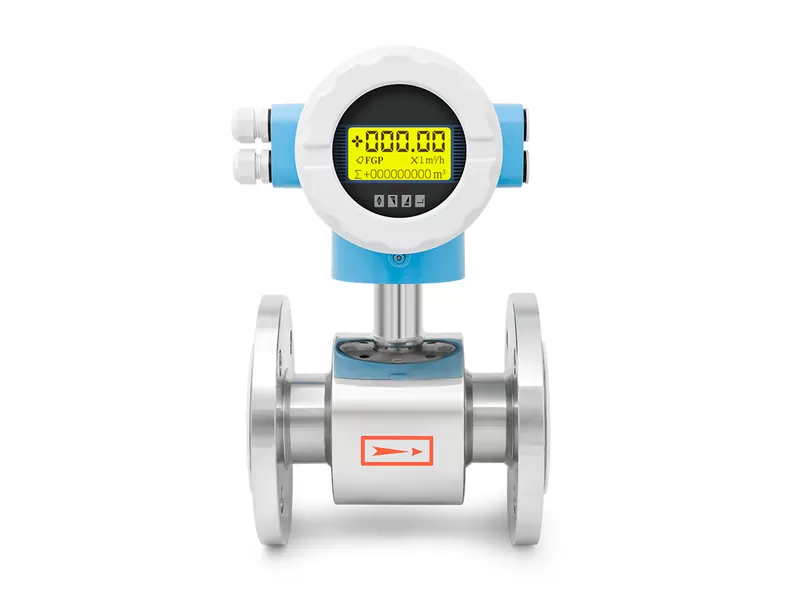
The petrochemical industry operates under conditions of high pressure, extreme temperatures, and chemical hazards. From upstream feedstock handling to downstream refining and polymer production, process stability, safety, and product quality depend on precise monitoring and control of key parameters. Core devices that provide these capabilities include pressure transmitters, differential pressure transmitters, pressure switches, flowmeters, and temperature & humidity transmitters. Each plays a distinct but complementary role in maintaining operational excellence and regulatory compliance.
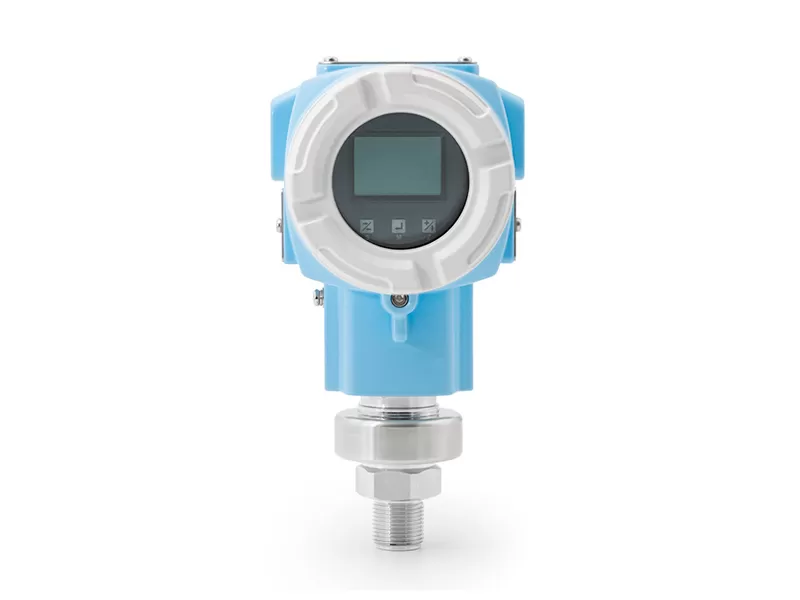
Pressure transmitters are fundamental for real-time measurement of system pressures in reactors, storage tanks, pipelines, and compressors. Their applications in petrochemical processes include:
- Maintaining reactor pressure within safe limits to prevent runaway reactions
- Monitoring separator and distillation column pressures for optimal product separation
- Ensuring pipeline integrity for crude oil, natural gas, or chemical transport
The advantages of pressure transmitters include:
- High accuracy and stability even under extreme temperature and vibration conditions
- Compatibility with corrosive and aggressive chemical media
- Enabling SCADA or DCS integration for automated process control
By continuously monitoring pressure, operators can detect deviations early, optimize reaction conditions, and reduce the risk of accidents.
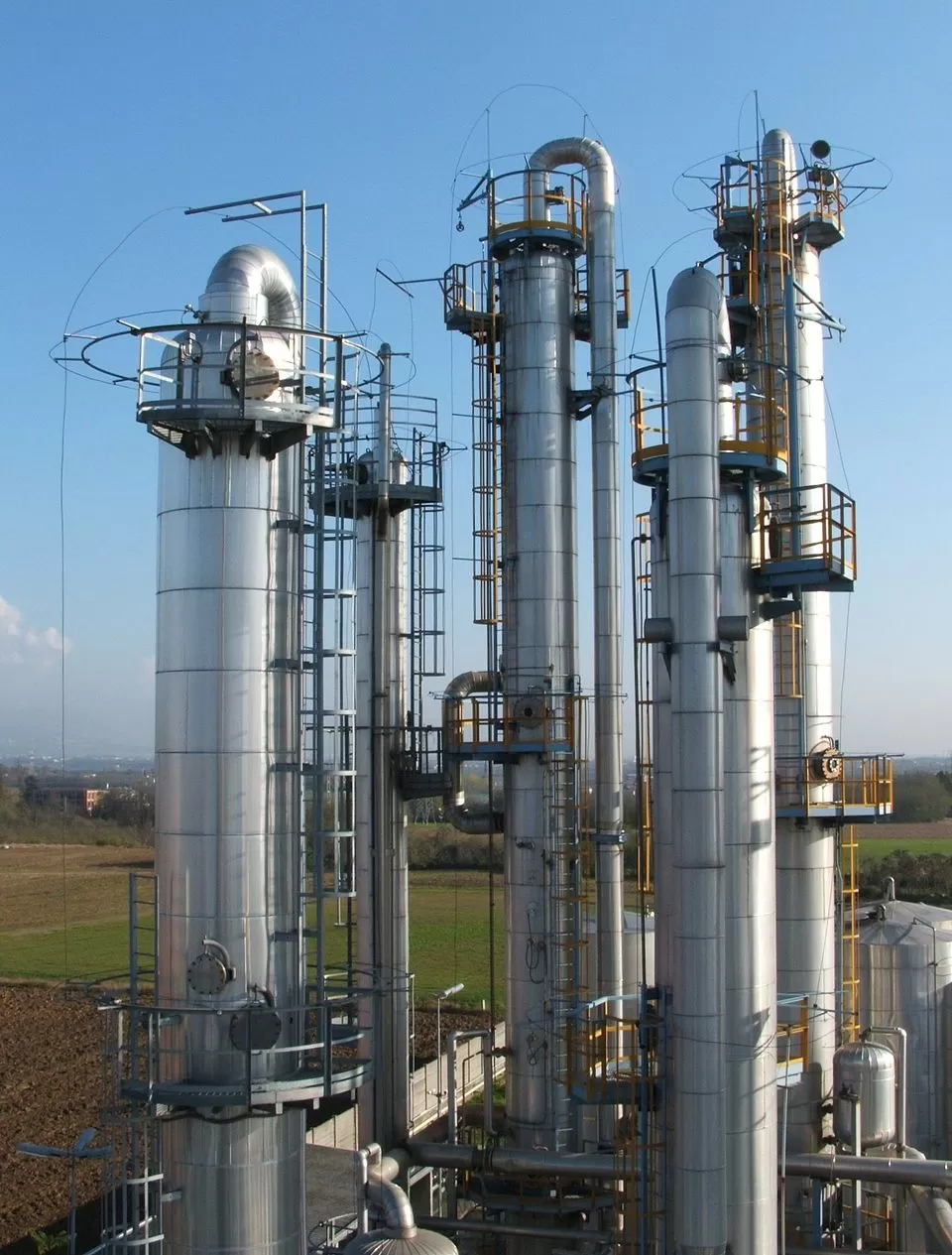
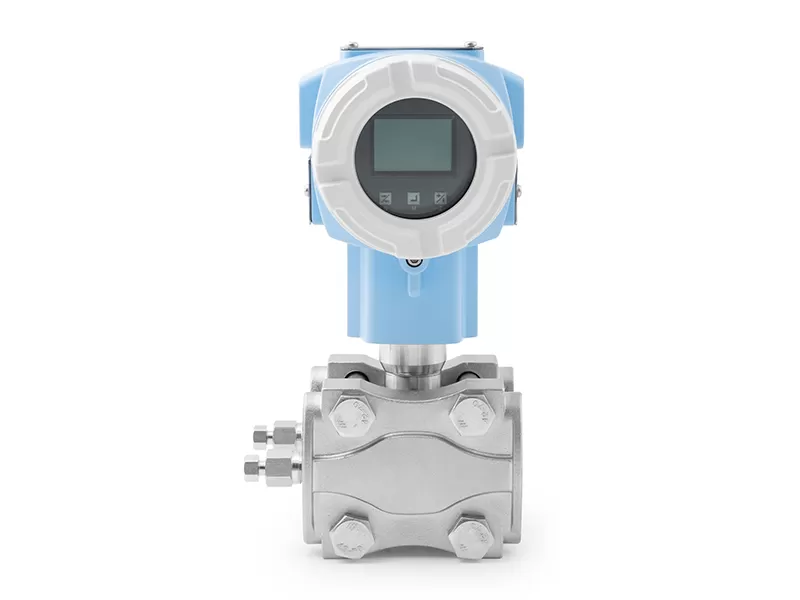
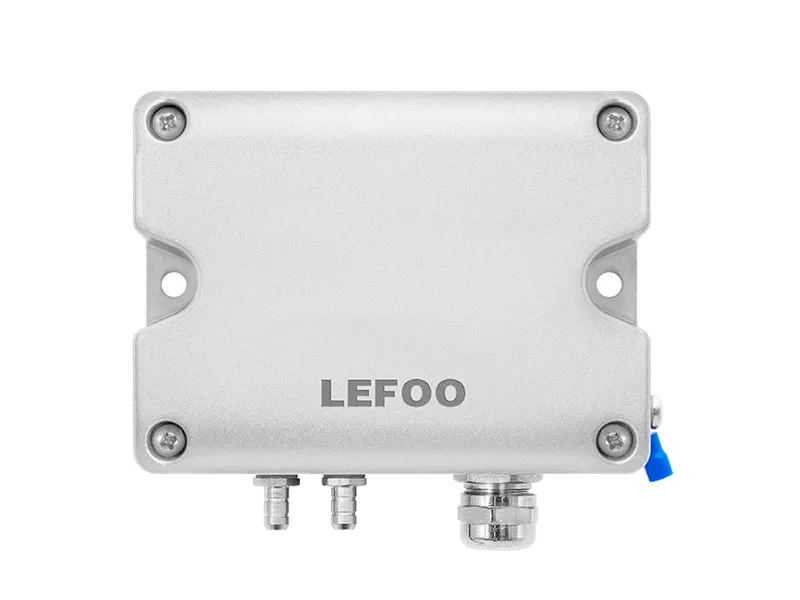
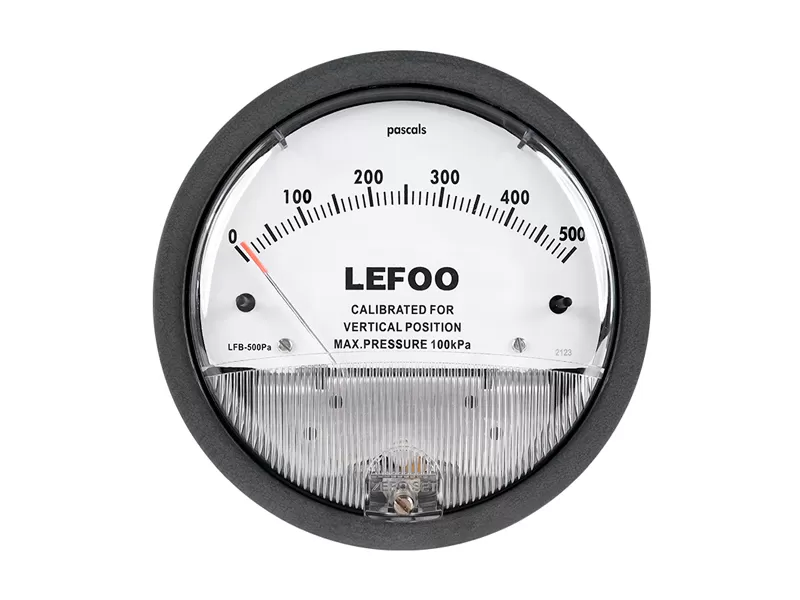
Differential pressure transmitters are widely applied in the petrochemical sector for critical tasks such as:
- Monitoring pressure drops across filters, heat exchangers, and membranes
- Controlling flow and level in tanks by measuring hydrostatic pressure differences
- Balancing multi-stage processes by monitoring pressure differences between zones
These transmitters provide precise data that allow automated control systems to optimize energy use, maintain consistent product quality, and reduce operational costs. For instance, a differential pressure transmitter across a filter can indicate fouling, enabling predictive maintenance before efficiency losses occur.
While transmitters enable continuous monitoring, pressure switches serve as vital safety components:
- High-pressure switches protect equipment from overpressure situations in reactors, pipelines, or compressors
- Low-pressure switches detect underpressure or vacuum conditions, preventing dry-running of pumps and loss of containment
- Hardwired interlocks provide fail-safe protection independent of digital control systems
In hazardous petrochemical environments, pressure switches act as a final layer of defense, ensuring personnel and equipment safety.
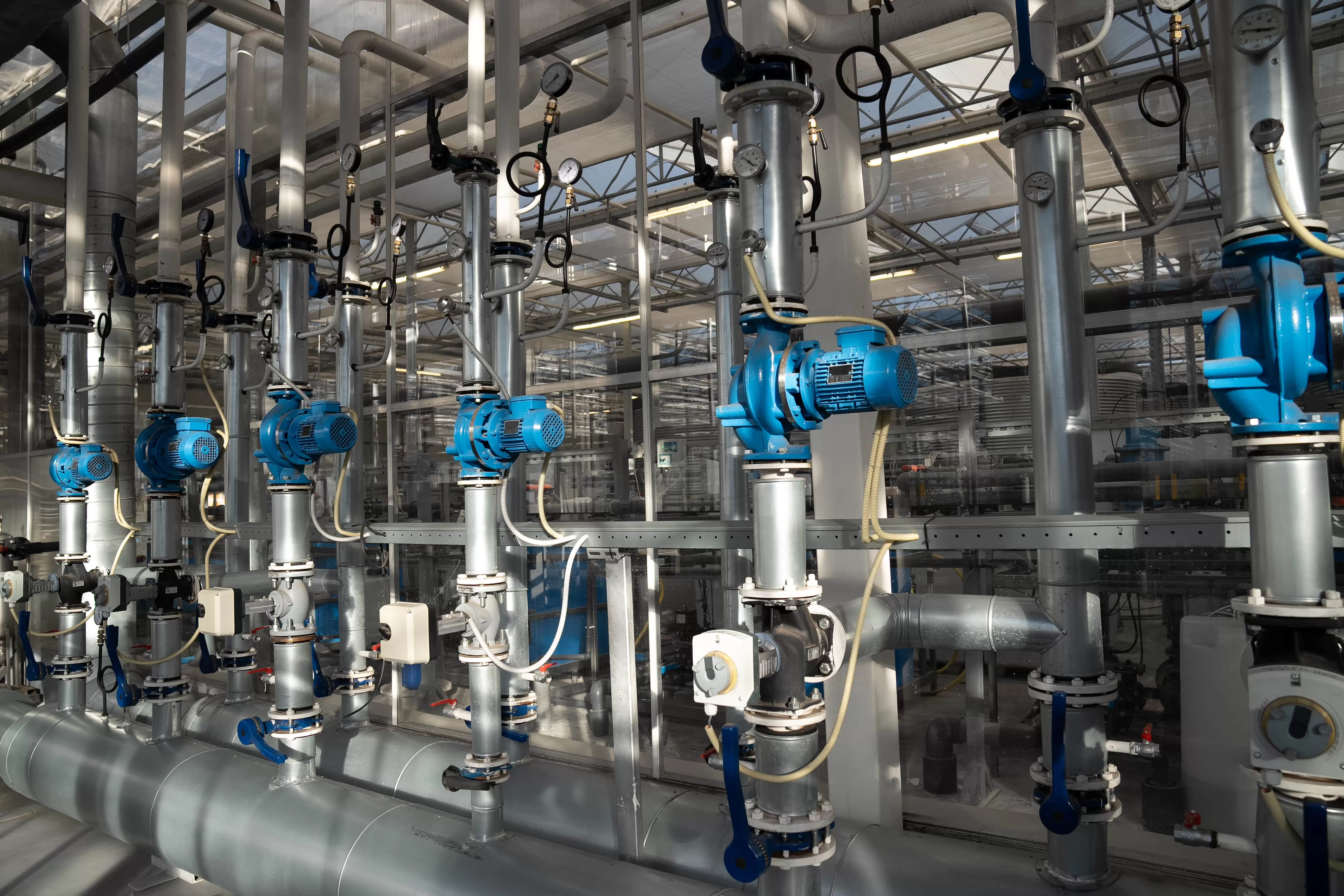
Flowmeters are essential for measuring the movement of liquids, gases, and process chemicals throughout petrochemical operations. Typical applications include:
- Feedstock measurement into chemical reactors
- Control of utility fluids such as cooling water, steam, and compressed air
- Verification of product throughput and mass balance for regulatory compliance
Flowmeters enable precise control over production rates, minimize waste, and support quality assurance programs. When combined with pressure and differential pressure data, flow measurement helps maintain optimal process conditions and energy efficiency.
Temperature and humidity transmitters are critical for maintaining safe and consistent operational conditions:
- Monitoring reactor and storage tank temperatures to prevent thermal runaway or product degradation
- Controlling ambient humidity in storage areas to avoid condensation and corrosion
- Supporting accurate compensation for other process measurements, such as pressure and flow
Accurate environmental sensing ensures process stability, protects sensitive equipment, and enables compliance with petrochemical safety and quality standards.
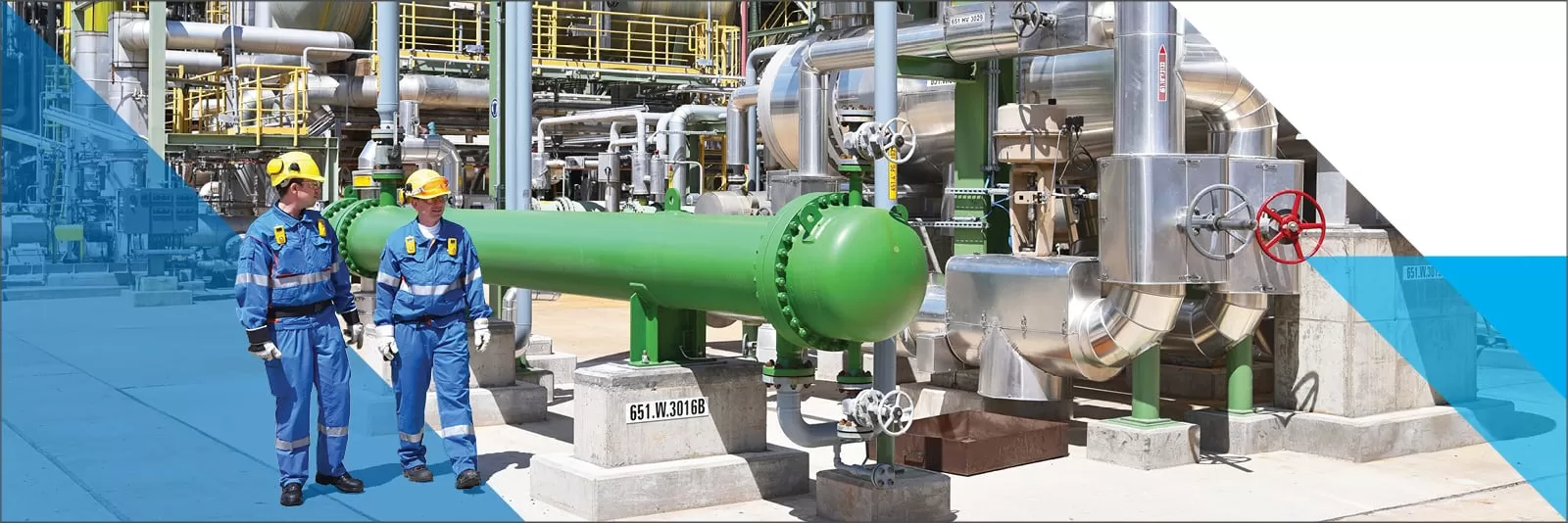
By combining these devices, petrochemical plants achieve:
1. Safety and Compliance
Pressure switches and transmitters provide multi-layer protection for personnel, equipment, and the environment.
2. Process Optimization
Differential pressure transmitters and flowmeters enable precise control of reaction rates, separation processes, and utility consumption.
3. Product Quality Assurance
Temperature, pressure, and humidity control ensures consistent chemical composition and minimizes defects.
4. Operational Efficiency
Continuous monitoring supports predictive maintenance, reduces energy usage, and prevents costly downtime.
5. Data-Driven Decision Making
Integrated sensor networks feed into SCADA/DCS systems for automated control, reporting, and performance analysis.
For petrochemical facilities emphasizing monitoring and control, the following product categories are essential:
* Pressure transmitters for continuous system monitoring
* Differential pressure transmitters for filter, tank, and process optimization
* Pressure switches for safety interlocks and emergency shutdown
* Flowmeters for precise feedstock and utility measurement
* Temperature & humidity transmitters for environmental and process control
In petrochemical plants, accurate measurement and control of pressure, differential pressure, flow, temperature, and humidity are critical for safety, efficiency, and product quality. Pressure transmitters and differential pressure transmitters provide continuous, precise monitoring; pressure switches deliver fail-safe protection; flowmeters ensure accurate process control; and temperature & humidity transmitters maintain stable conditions. Together, these devices form the backbone of modern petrochemical process automation, enabling operators to achieve operational excellence while mitigating risk in a high-stakes environment.




 Log in
  English
  日本語
日本語  한국어
한국어  français
  Deutsch
  Español
  italiano
  русский
  português
  العربية