
The core function of industrial sensors is to accurately and stably convert physical or environmental parameters—such as pressure, temperature, flow, level, and humidity—into standardized analog signals (4-20mA, 0-10V) or digital signals that can be directly processed by control systems (e.g., PLCs, DCS). Their performance directly determines the veracity of monitoring data and the effectiveness of control systems, making them the foundational data source for modern industrial automation and intelligence.
The harsh conditions of industrial sites pose significant challenges to the long-term stability and reliability of sensors. By employing high-performance sensing chips, implementing rigorous temperature compensation, designing robust mechanical housings and connectors, and applying professional signal conditioning and filtering techniques, we ensure that sensors can output accurate, low-drift signals even under conditions of vibration, temperature/humidity variations, electrical noise, and exposure to various media. This safeguards the continuity and stability of production processes.
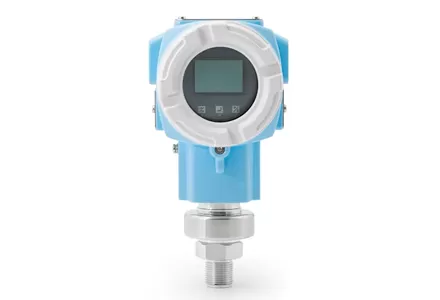
With the advancement of the Industrial Internet of Things (IIoT), sensors are evolving from simple measurement units into intelligent nodes. Smart sensors supporting communication protocols like IO-Link, Modbus, and PROFINET can transmit not only measurement values but also device status, parameter identification, and diagnostic information. This provides the underlying data support for achieving predictive maintenance, remote configuration, and refined energy management, establishing them as fundamental components for building digital factories.
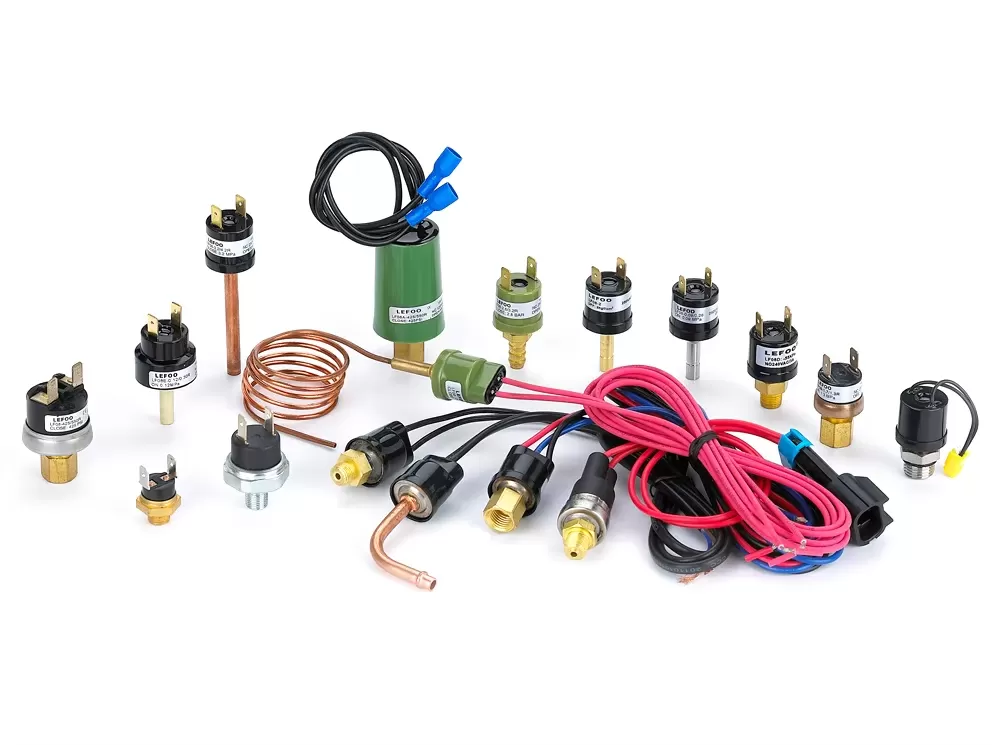
To address vastly differing application needs, we have established a comprehensive product line covering multiple physical quantities, including various pressure transmitters, temperature transmitters, flow meters, level gauges, and environmental sensors. Simultaneously, to meet the integration requirements of Original Equipment Manufacturers (OEMs), we offer in-depth customization services. These include range customization, output characteristic adjustment, mechanical interface adaptation, special material encapsulation, and protocol interfacing, helping to enhance the competitiveness of our clients' products.



 Log in
  English
  日本語
日本語  한국어
한국어  français
  Deutsch
  Español
  italiano
  русский
  português
  العربية