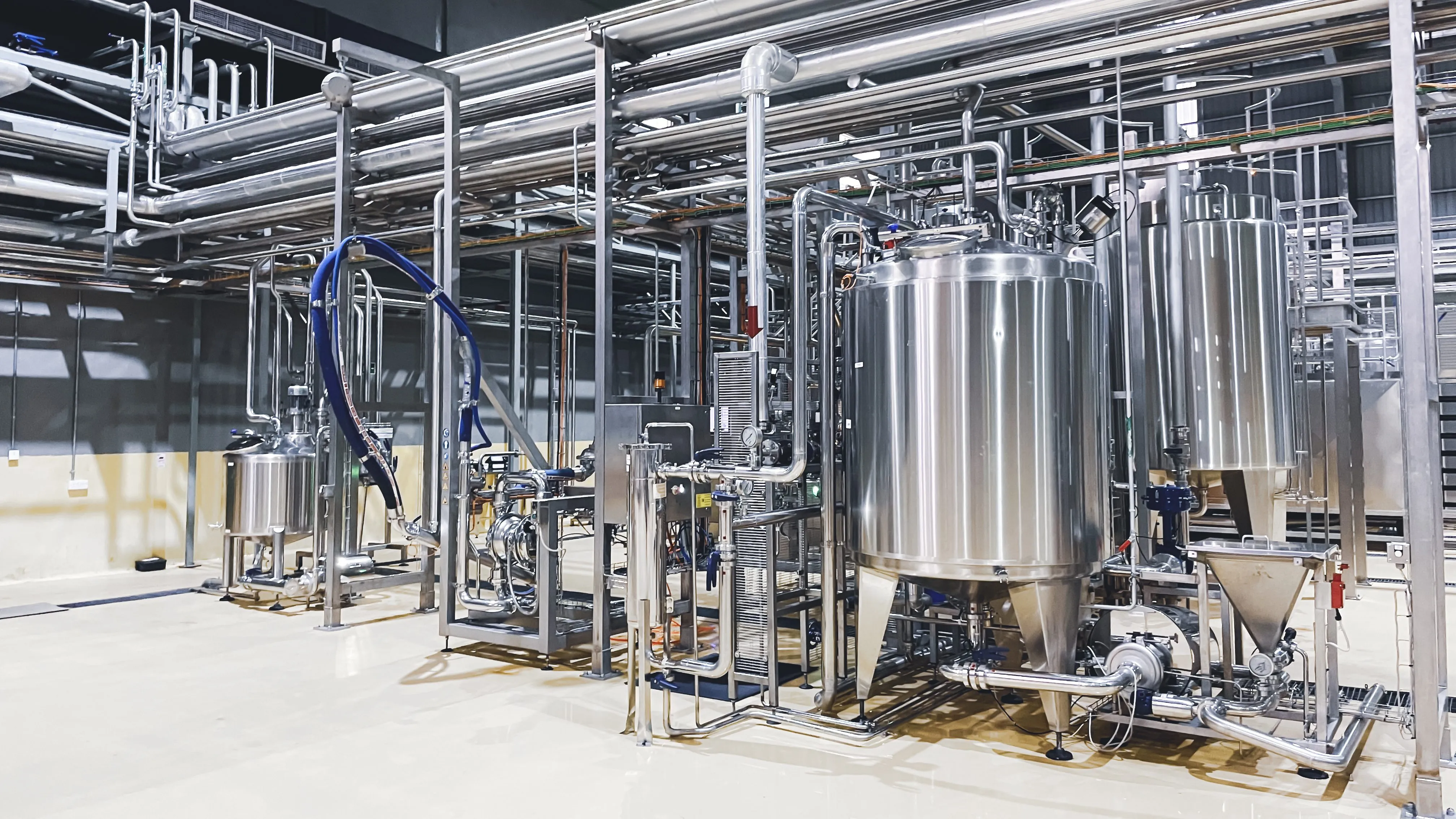
The food and beverage industry operates under some of the most stringent quality, hygiene, and regulatory standards of any manufacturing sector. From raw material handling and processing to packaging, storage, and distribution, every stage must be carefully controlled to ensure product safety, consistent quality, and regulatory compliance. At the same time, producers face increasing pressure to improve energy efficiency, reduce water consumption, and maintain high throughput.
In this environment, pressure transmitters, pressure switches, flowmeters, temperature & humidity transmitters, environmental sensors, peristaltic pumps, and diaphragm booster pumps play a central role. These devices provide the real-time visibility and precise control needed to maintain hygienic conditions, protect equipment, and ensure process repeatability across diverse food and beverage applications.
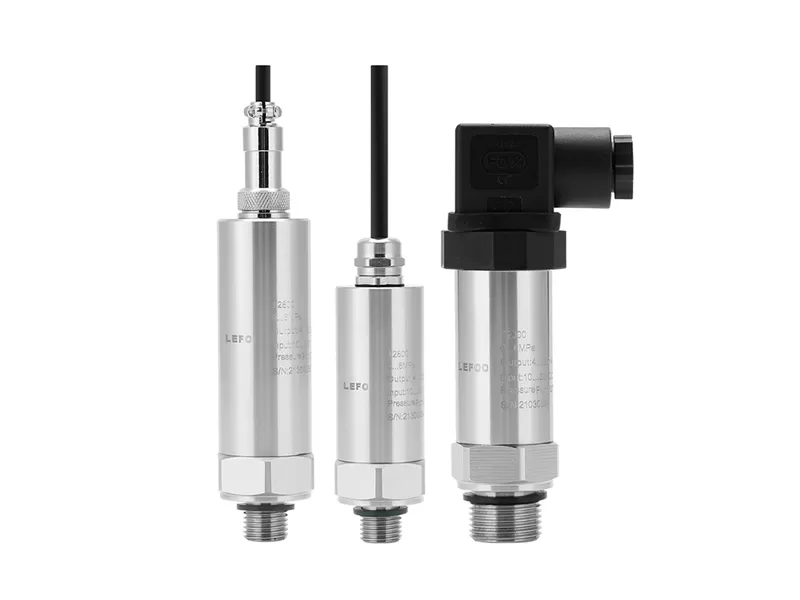
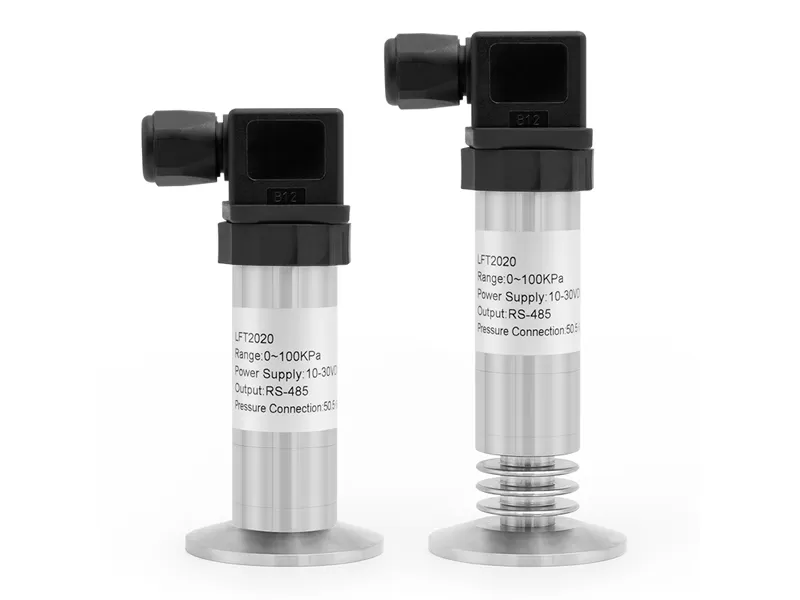
Pressure transmitters are widely used throughout food and beverage processing lines to monitor and control process pressure in pipelines, tanks, and equipment. Typical applications include:
- Monitoring pressure in liquid transfer lines for milk, juice, beer, and soft drinks
- Controlling pressure in pasteurization and sterilization systems
- Ensuring stable pressure in filtration and carbonation processes
Accurate pressure measurement is essential for maintaining consistent product quality. In beverage production, for example, precise pressure control directly affects carbonation levels, mouthfeel, and packaging integrity. In dairy and liquid food processing, pressure stability ensures smooth flow without damaging sensitive products.
Modern food-grade pressure transmitters are designed with hygienic materials, smooth surfaces, and compatibility with CIP (Clean-in-Place) and SIP (Sterilize-in-Place) procedures, making them suitable for sanitary production environments.
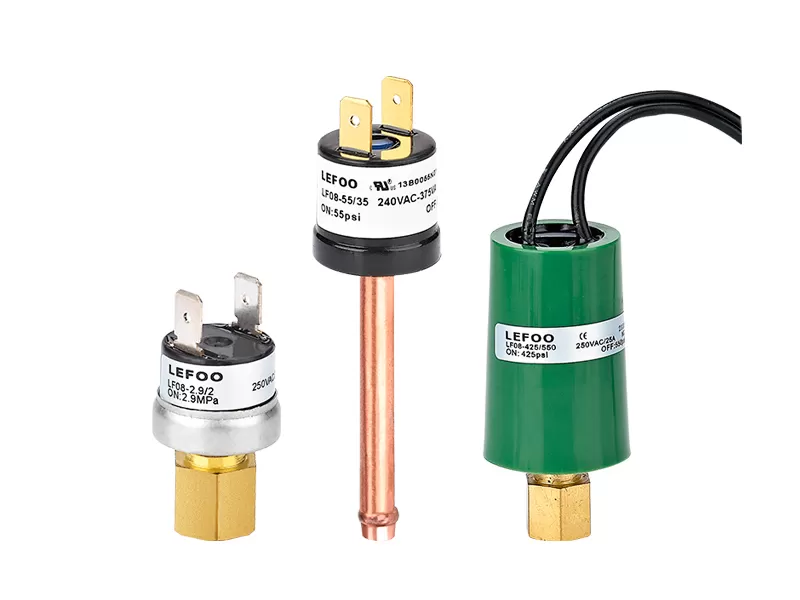
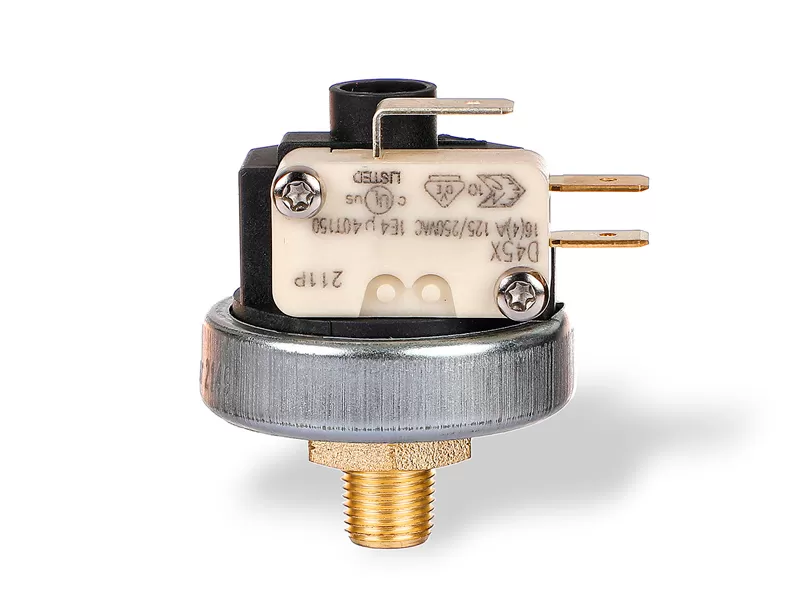
Pressure switches provide an additional layer of protection in food and beverage facilities. Their primary functions include:
- Protecting pumps and pipelines from overpressure or dry running
- Preventing equipment damage during abnormal operating conditions
- Acting as safety interlocks independent of digital control systems
In automated processing lines, pressure switches ensure that equipment stops immediately if unsafe pressure conditions occur, reducing the risk of product loss, equipment failure, or contamination.
Flowmeters are critical for controlling ingredient ratios, monitoring production output, and minimizing waste. They are commonly used in:
- Ingredient dosing and blending processes
- Liquid transfer between processing stages
- CIP system monitoring to ensure effective cleaning
Accurate flow measurement ensures that recipes are followed precisely, which is essential for taste consistency and brand integrity. In addition, flow data supports production optimization by identifying inefficiencies, leaks, or deviations in process performance.
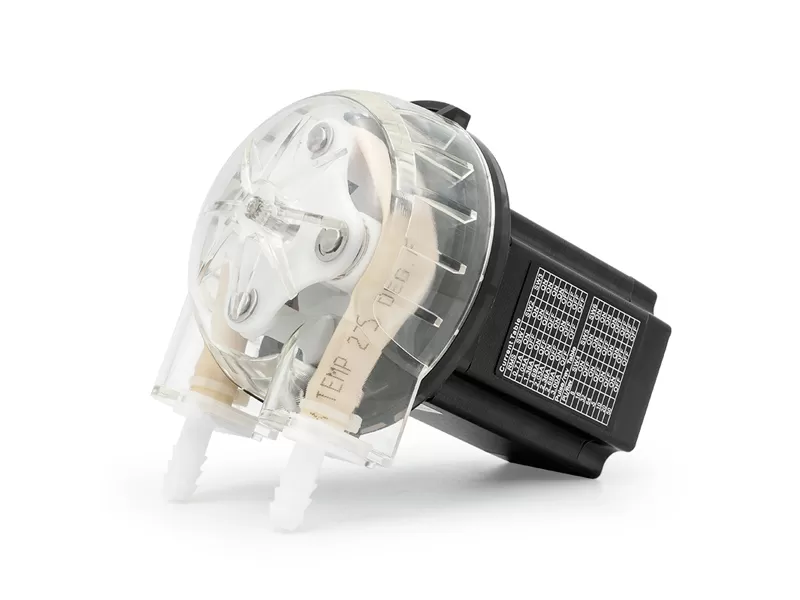
Peristaltic pumps are particularly valued in food and beverage processing for their hygienic and contamination-free operation. Because the fluid only contacts the tubing, these pumps are ideal for:
- Dosing flavors, colorants, enzymes, and additives
- Transferring viscous or shear-sensitive products
- Handling aggressive cleaning chemicals during CIP processes
Their precise flow control, ease of cleaning, and simple maintenance make peristaltic pumps well suited for applications where hygiene and dosing accuracy are critical.
---
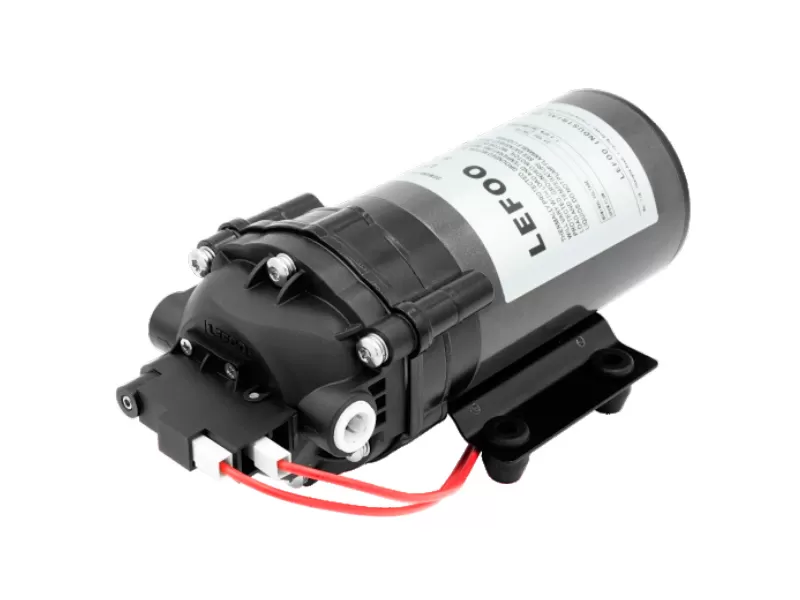
Diaphragm booster pumps are commonly used in supporting systems within food and beverage plants, such as:
- Supplying pressurized water for cleaning and sanitation
- Feeding water to processing equipment
- Handling condensate and auxiliary fluid transfer
Their robust design and ability to operate reliably under intermittent conditions make them suitable for demanding industrial environments.
Environmental control is increasingly important in food and beverage production, particularly in processing, packaging, and storage areas.
Temperature & humidity transmitters are used to:
- Maintain optimal conditions in production rooms
- Prevent microbial growth and condensation
- Protect sensitive ingredients and finished products
In bakeries, confectionery plants, and beverage bottling facilities, humidity control is essential to prevent product spoilage and packaging defects. Environmental sensors provide centralized monitoring of ambient conditions, supporting both quality control and regulatory compliance.
The strategic importance of these pumps and sensors in the food and beverage industry can be summarized as follows:
1. Food Safety and Compliance
Reliable measurement and control support compliance with food safety regulations and quality standards.
2. Consistent Product Quality
Precise pressure, flow, and dosing control ensures repeatable taste, texture, and appearance.
3. Operational Efficiency
Real-time monitoring reduces waste, downtime, and energy consumption.
4. Equipment Protection
Pressure switches and transmitters safeguard pumps, pipelines, and processing equipment.
5. Hygienic Design
Food-grade materials and contamination-free pumping technologies support sanitary production environments.
For food and beverage applications, the most critical product categories include:
Hygienic pressure transmitters for process monitoring
Pressure switches for safety and equipment protection
Flowmeters for ingredient control and yield optimization
Peristaltic pumps for hygienic dosing and transfer
Diaphragm booster pumps for utility water systems
Temperature & humidity transmitters for environmental control
Environmental sensors for compliance and quality assurance
In the food and beverage industry, precision and hygiene are inseparable from productivity and profitability. Pressure transmitters and switches ensure stable and safe process conditions, flowmeters enable accurate ingredient management, and hygienic pumping solutions support contamination-free operation. Complemented by temperature, humidity, and environmental monitoring, these technologies form the foundation of modern, automated food and beverage production.
As consumer expectations and regulatory requirements continue to rise, the role of high-quality pumps and sensors will only become more critical. They do not merely support food and beverage processing—they protect brand reputation, ensure product safety, and enable sustainable growth across the entire value chain.



 Log in
  English
  日本語
日本語  한국어
한국어  français
  Deutsch
  Español
  italiano
  русский
  português
  العربية