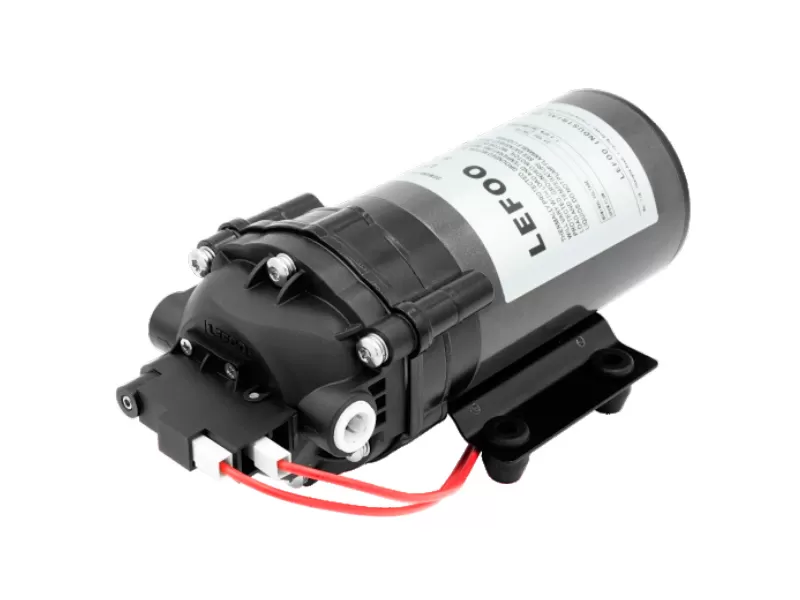
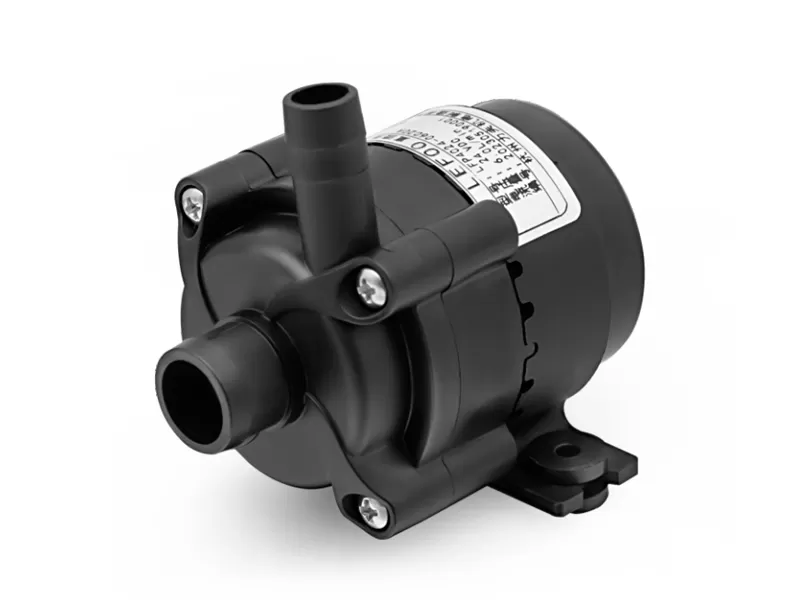
Although Artificial Intelligence (AI) is often perceived as a purely digital or software-driven industry, its rapid development is fundamentally dependent on large-scale physical infrastructure. AI workloads—such as machine learning training, large language model inference, computer vision, and real-time data analytics—are executed in data centers, edge computing facilities, and high-performance computing (HPC) clusters. These environments consume enormous amounts of power and generate significant heat, making cooling, environmental stability, and system reliability mission-critical.
To ensure continuous, stable, and energy-efficient operation, AI facilities rely heavily on pressure transmitters, differential pressure transmitters, flowmeters, and temperature & humidity transmitters. These instruments form the sensing foundation that enables intelligent control of cooling systems, liquid circulation, air handling, and environmental management.
With the increasing power density of AI servers and GPUs, traditional air cooling is often insufficient. As a result, liquid cooling technologies—including direct-to-chip cooling, cold plate systems, and immersion cooling—are rapidly being adopted.
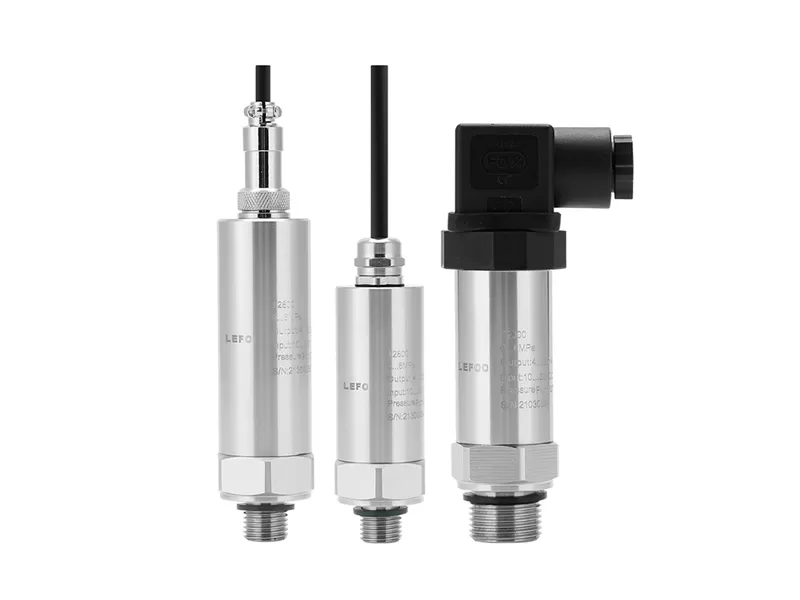
Pressure transmitters play a critical role in these systems by:
- Monitoring coolant pressure in closed-loop liquid cooling circuits
- Ensuring stable operation of pumps supplying cooling fluids to high-density servers
- Detecting abnormal pressure conditions that may indicate leaks, blockages, or pump failures
Accurate pressure monitoring ensures uniform coolant distribution across server racks, protects sensitive electronics from thermal damage, and prevents catastrophic cooling system failures. In AI data centers, pressure transmitters enable automated control systems to dynamically adjust pump speed and flow based on workload intensity.
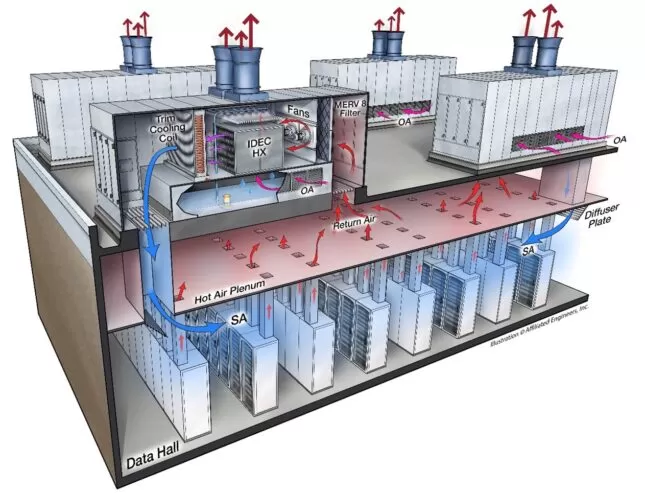
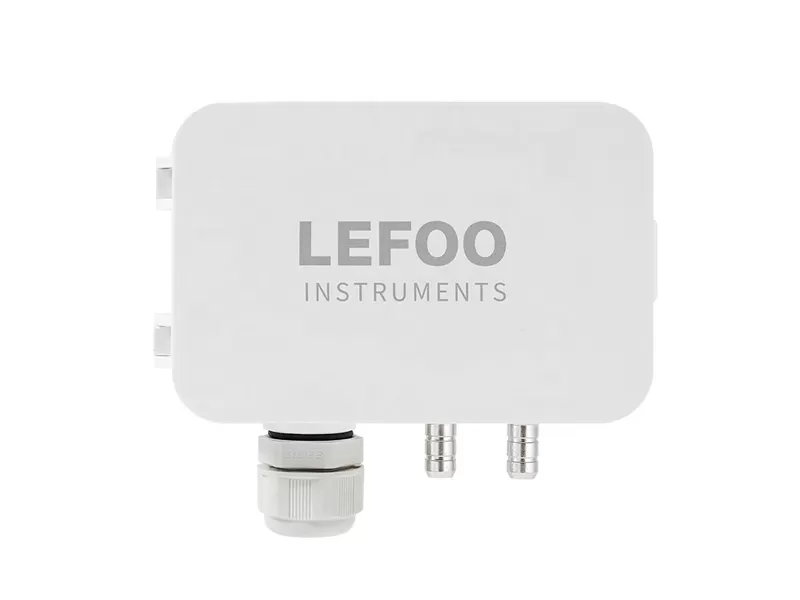
Even with advanced liquid cooling, airflow management remains essential for auxiliary cooling, power electronics, and facility-wide ventilation. Differential pressure transmitters are widely used to:
- Monitor pressure differences across air filters in air handling units (AHUs)
- Ensure balanced airflow between hot aisles and cold aisles in server rooms
- Detect airflow obstructions or filter clogging before cooling efficiency degrades
By providing precise differential pressure data, these transmitters support predictive maintenance strategies and maintain optimal airflow distribution. This is particularly important in AI facilities, where even small temperature deviations can reduce computational efficiency or trigger system throttling.
Flowmeters are indispensable in both liquid and air-based cooling architectures within AI infrastructure. Typical applications include:
- Measuring coolant flow rates in liquid cooling loops
- Verifying proper circulation in redundant cooling systems
- Supporting energy optimization by correlating flow data with thermal load
In AI environments, cooling systems must respond dynamically to fluctuating computational loads. Flowmeters provide real-time data that allows intelligent control algorithms to optimize pump operation, reduce unnecessary energy consumption, and improve overall Power Usage Effectiveness (PUE).
Accurate flow measurement also ensures consistency across multiple cooling branches, which is critical in large-scale AI data centers with thousands of servers operating simultaneously.
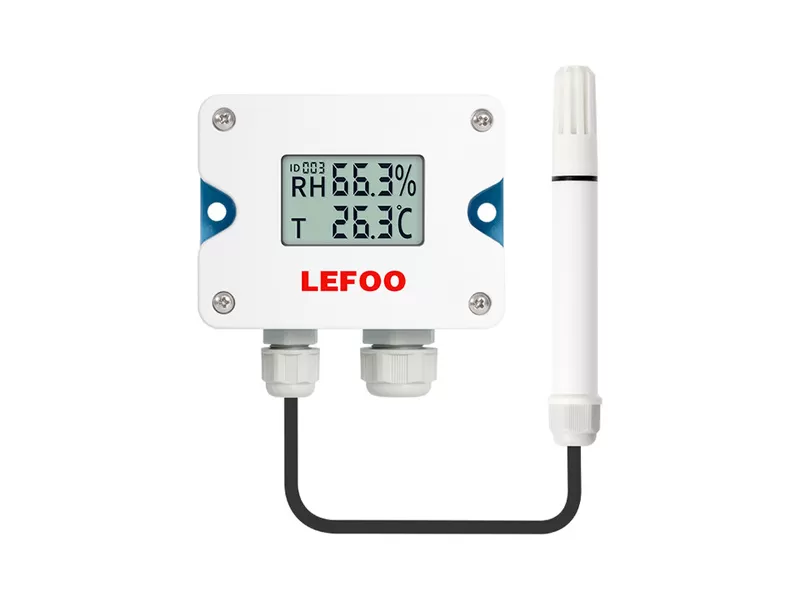
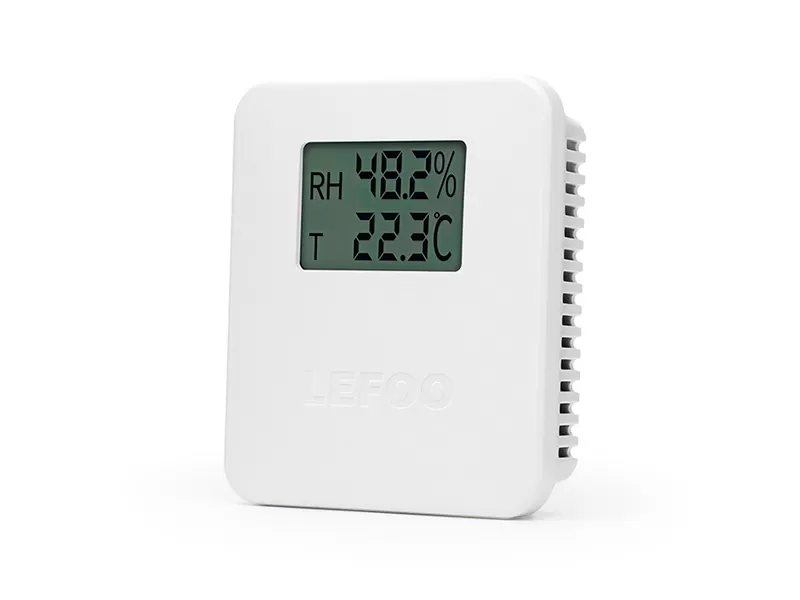
AI hardware is highly sensitive to environmental conditions. Temperature & humidity transmitters are therefore essential for both equipment protection and operational stability. Their applications include:
- Monitoring ambient temperature in server rooms, cabinets, and cold aisles
- Controlling humidity levels to prevent condensation or electrostatic discharge (ESD)
- Providing environmental data for intelligent cooling and ventilation control
Maintaining precise temperature and humidity ranges helps extend the lifespan of servers, reduces failure rates, and ensures uninterrupted AI computation. These transmitters also provide critical input data for building management systems (BMS) and data center infrastructure management (DCIM) platforms.
In advanced AI facilities, environmental transmitters integrate multiple sensing parameters—temperature, humidity, pressure, and sometimes air quality—into a single monitoring solution. These devices support:
- Centralized environmental monitoring across large AI campuses
- Integration with AI-driven facility management systems
- Real-time alarms and automated corrective actions
Environmental data collected from these sensors is increasingly used as input for AI-based optimization algorithms, creating a feedback loop where AI systems help manage the very infrastructure that ntal data for intelligent cooling and ventilation control
Maintaining precise temperature and humidity ranges helps extend the lifespan of servers, reduces failure rates, and ensures uninterrupted AI computation. These transmitters also provide critical input data for building management systems (BMS) and data center infrastructure management (DCIM) platforms.
In advanced AI facilities, environmental transmitters integrate multiple sensing parameters—temperature, humidity, pressure, and sometimes air quality—into a single monitoring solution. These devices support:
- Centralized environmental monitoring across large AI campuses
- Integration with AI-driven facility management systems
- Real-time alarms and automated corrective actions
Environmental data collected from these sensors is increasingly used as input for AI-based optimization algorithms, creating a feedback loop where AI systems help manage the very infrastructure that supports them.
The strategic importance of pressure, flow, and environmental sensors in the AI industry can be summarized as follows:
1. Operational Continuity
Accurate sensing prevents overheating, leaks, and airflow failures that could cause system downtime.
2. Energy Efficiency
Flow and pressure data enable adaptive cooling strategies, reducing energy consumption and operating costs.
3. Hardware Protection
Stable temperature and humidity conditions protect high-value AI hardware investments.
4. Scalability
Sensor-driven automation supports rapid expansion of AI infrastructure without compromising reliability.
5. Intelligent Automation
Sensor data feeds into AI-enabled control platforms, enabling predictive maintenance and self-optimizing facilities.
For Artificial Intelligence infrastructure and facilities, the most critical product categories include:
* Pressure transmitters for liquid cooling system monitoring
* Differential pressure transmitters for airflow and filter management
* Flowmeters for precise coolant and air circulation control
* Temperature & humidity transmitters for environmental stability
* Environmental transmitters for integrated facility monitoring
These devices should offer high accuracy, long-term stability, digital communication compatibility, and reliability under continuous operation.
The Artificial Intelligence industry depends not only on advanced algorithms and computing power but also on highly reliable physical infrastructure. Pressure transmitters, differential pressure transmitters, flowmeters, and temperature & humidity transmitters form the invisible yet indispensable backbone of AI facilities. By ensuring precise cooling control, stable environmental conditions, and energy-efficient operation, these sensors enable AI systems to perform at their highest potential. As AI workloads continue to grow in scale and complexity, the role of robust sensing and monitoring solutions will become even more critical in supporting the future of intelligent computing.



 Log in
  English
  日本語
日本語  한국어
한국어  français
  Deutsch
  Español
  italiano
  русский
  português
  العربية