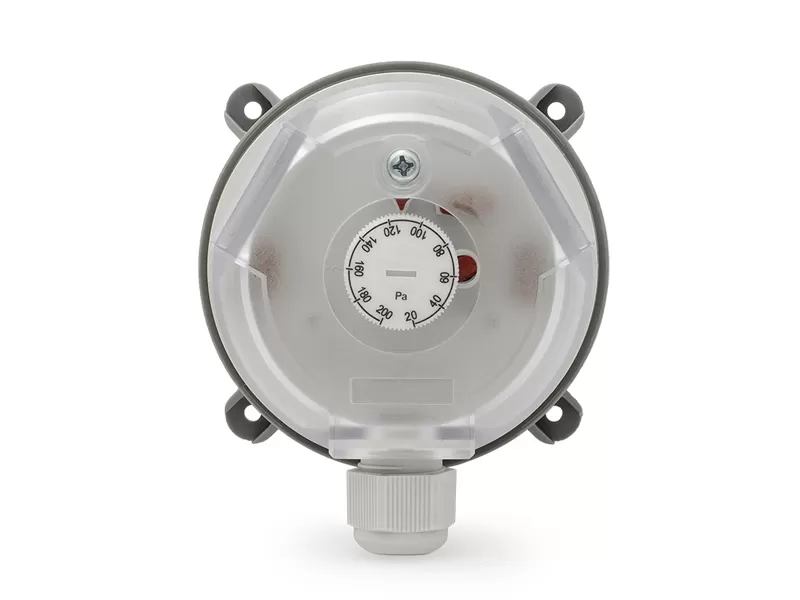
Building Automation Systems (BAS), often referred to as Building Management Systems (BMS), represent the central nervous system of modern commercial, industrial, and large residential buildings. They integrate HVAC, lighting, energy management, water supply, indoor air quality, and safety systems into a unified, data-driven control platform. The primary objectives of building automation are operational efficiency, occupant comfort, energy optimization, and life cycle cost reduction.
At the heart of this transformation lies a network of reliable field devices—pressure transmitters, differential pressure transmitters, temperature & humidity transmitters, environmental transmitters, flowmeters, pressure switches, and high-efficiency bldc circulation or booster pumps. These components act as the “sensory organs and actuators” of intelligent buildings, translating physical conditions into actionable data and enabling automated decision-making.

Pressure transmitters play a critical role in building automation by providing continuous, real-time feedback from HVAC and water distribution systems. Typical applications include:
- Monitoring chilled water and hot water loop pressure.
- Ensuring stable operation of variable-speed pumps.
- Detecting leaks, blockages, or abnormal pressure drops in piping networks.
In automated buildings, pressure data is directly linked to control logic. When integrated with variable-frequency drives (VFDs) or BLDC pumps, pressure transmitters enable demand-based pumping, reducing unnecessary energy consumption during partial load conditions.
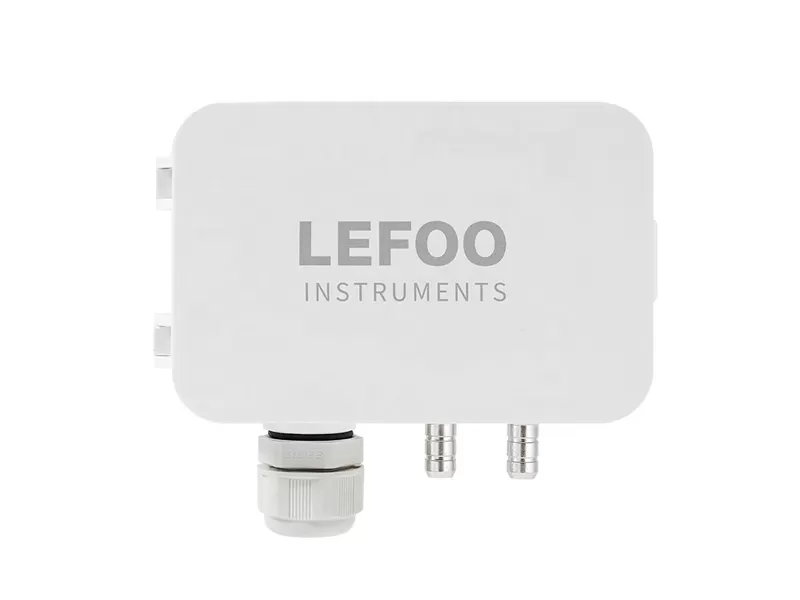
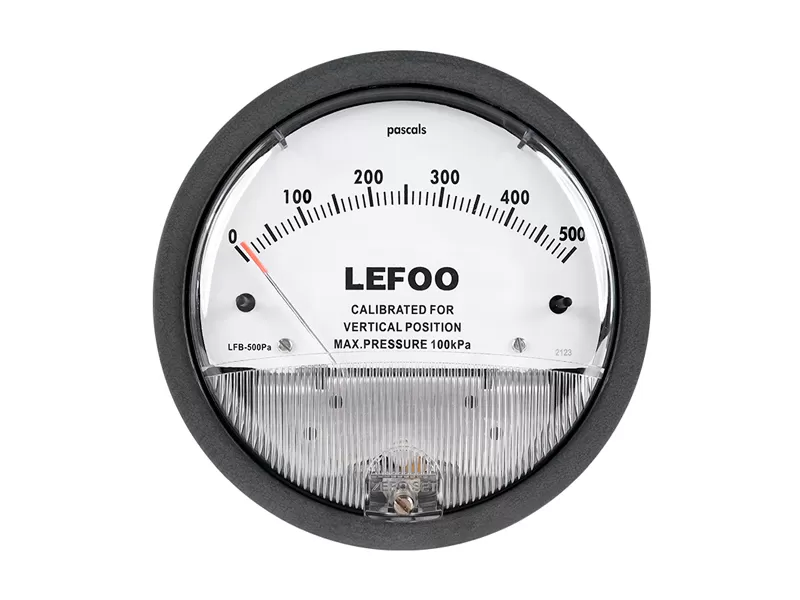
Differential pressure transmitters are especially important in advanced building automation architectures. Their key applications include:
- Airflow control across filters, coils, and fans in air handling units.
- Static pressure regulation in supply and return air ducts.
- Pressure balancing between building zones, floors, or functional areas.
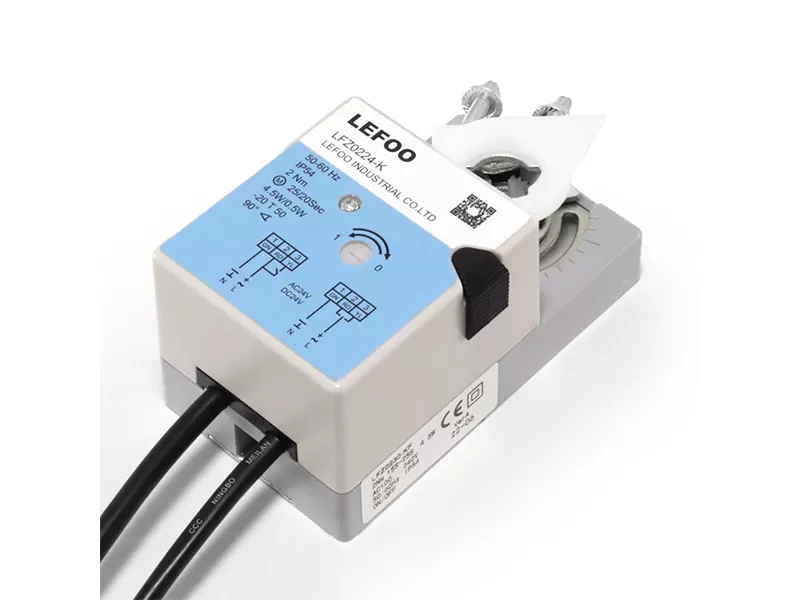
By continuously measuring pressure differences, these transmitters allow BMS platforms to adjust damper positions and fan speeds automatically. This ensures consistent airflow, improves indoor air quality, and reduces fan energy consumption—an essential requirement for green building certifications.
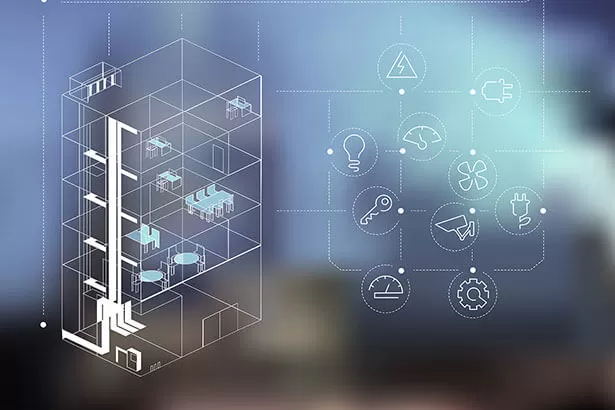
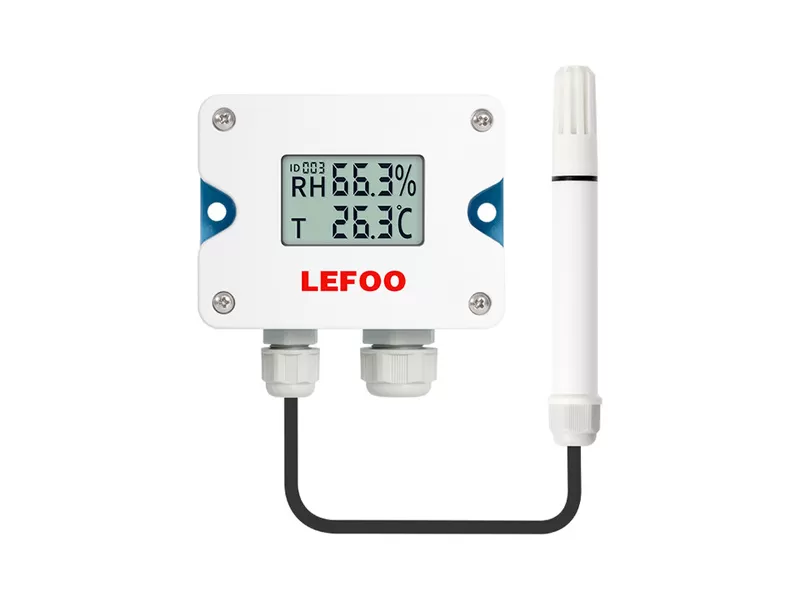
Occupant comfort is one of the primary performance indicators of any building automation system. Temperature & humidity transmitters are therefore among the most widely deployed field devices in automated buildings.
They are typically installed in:
- Occupied spaces such as offices, meeting rooms, and lobbies.
- Supply and return air ducts.
- Outdoor reference points for adaptive control strategies.
Accurate temperature and humidity data enables:
- Precise zone-level climate control.
- Prevention of condensation and mold growth.
- Optimization of heating, cooling, and ventilation energy use.
Rather than relying on fixed setting value, modern BAS platforms use these sensors to implement adaptive control algorithms that respond dynamically to occupancy, weather, and time-of-day patterns.
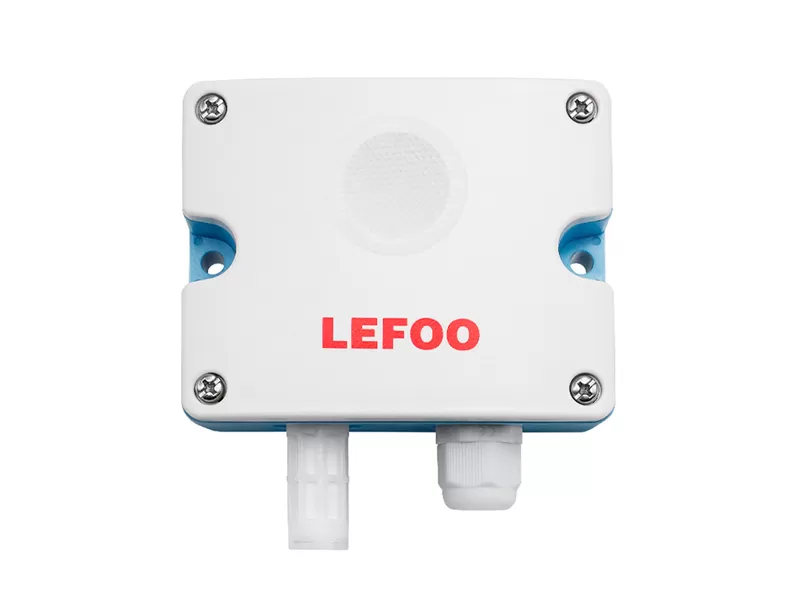
Environmental transmitters, which integrate multiple parameters such as temperature, humidity, and sometimes pressure or air quality indicators, are increasingly favored in smart buildings. Their advantages include:
- Reduced installation and wiring complexity.
- Consistent data alignment across parameters.
- Simplified integration with BMS and IoT platforms.
In high-end commercial buildings, environmental transmitters support data visualization dashboards, alarm management, and long-term performance analysis.
Water distribution and energy transfer systems are major cost drivers in large buildings. Flowmeters provide the quantitative data required to manage these systems effectively.
Common applications include:
- Measuring chilled and hot water flow rates.
- Verifying heat exchanger performance.
- Supporting energy billing and sub-metering.
In automated buildings, flow data is often correlated with temperature and pressure information to calculate real-time energy consumption. This enables building operators to identify inefficiencies, optimize equipment schedules, and validate energy-saving measures.
While transmitters provide continuous data, pressure switches remain essential in building automation for safety and redundancy. Their primary functions include:
- Protecting pumps and equipment from overpressure or loss of pressure.
- Providing hardwired interlocks independent of software logic.
- Acting as fail-safe devices during communication or controller failures.
In critical building infrastructure—such as data centers, hospitals, and transportation hubs—pressure switches are often required to meet safety and reliability standards.
The strategic importance of these products in building automation can be summarized as follows:
1. Energy Optimization
Continuous sensing enables demand-based control, reducing waste and operating costs.
2. Occupant Comfort and Productivity
Stable temperature, humidity, and airflow directly influence occupant well-being.
3. System Reliability
Redundant monitoring and safety switches reduce the risk of equipment failure.
4. Data-Driven Management
High-quality sensor data supports analysis, reporting, and predictive maintenance.
5. Scalability and Future Integration
Standardized transmitters and sensors enable seamless expansion and integration with IoT and smart city platforms.
For building automation applications, the most critical product categories include:
* Pressure transmitters for HVAC and water system control
* Differential pressure transmitters for airflow and zone balancing
* Temperature & humidity transmitters for occupant comfort management
* Environmental transmitters for integrated monitoring and analysis
* Flowmeters for water and energy optimization
* Pressure switches for safety and redundancy
* Variable-speed circulation for automated fluid control
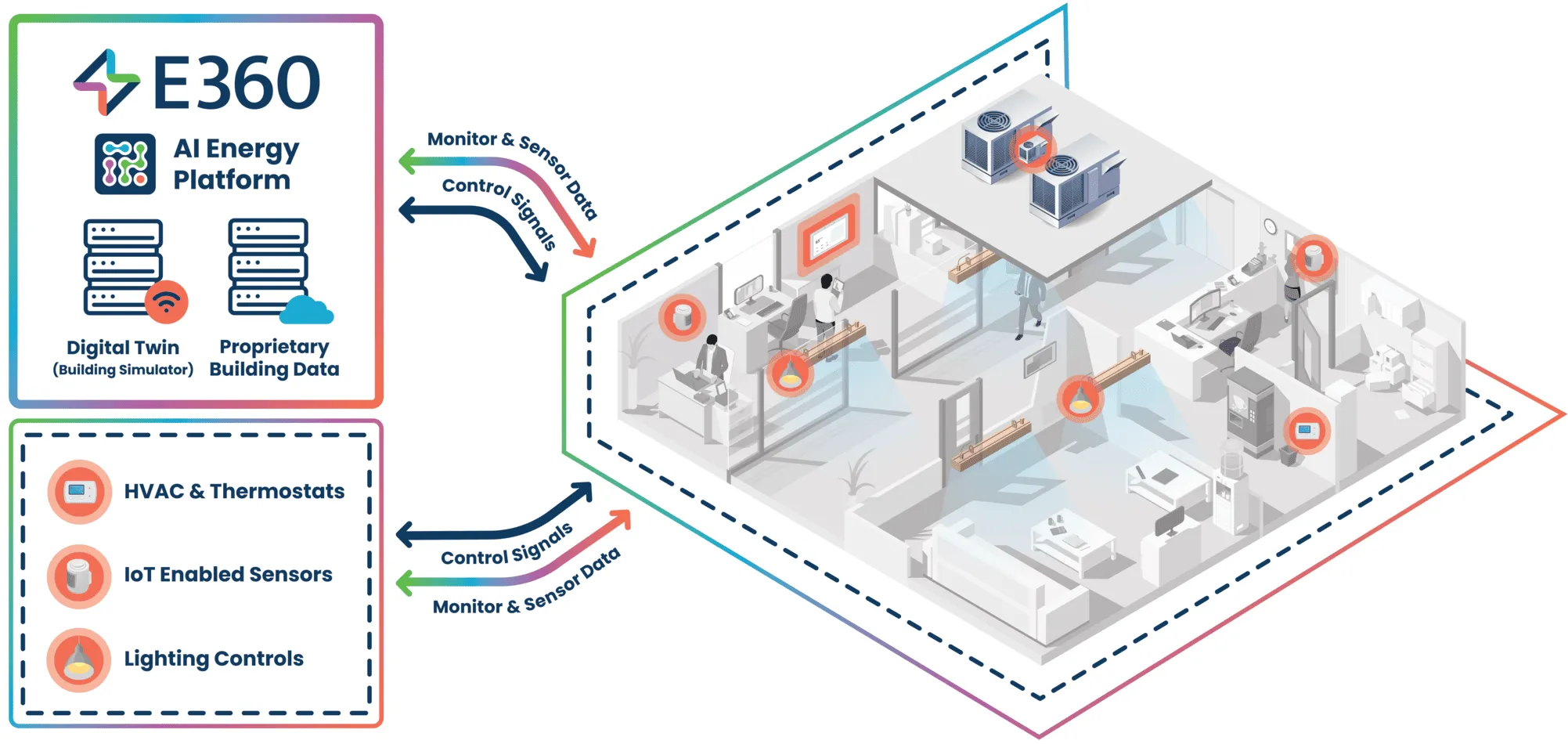
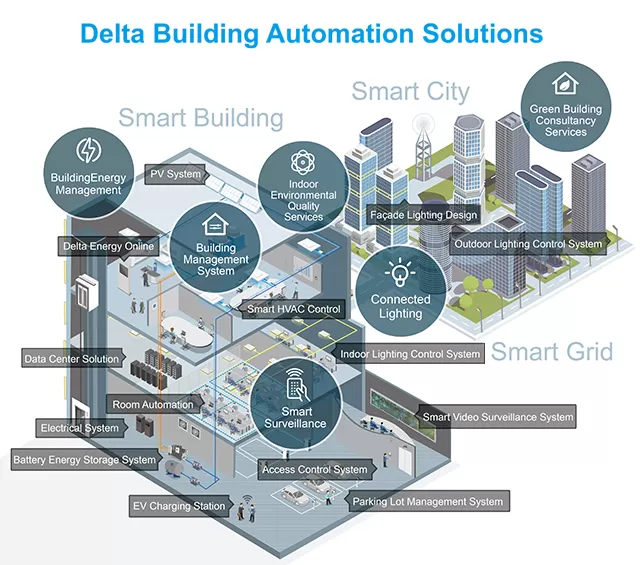
Building automation transforms buildings from static structures into intelligent, responsive systems. This transformation is only possible with accurate sensing, reliable protection, and efficient actuation at the field level. Pressure transmitters, differential pressure transmitters, temperature and humidity sensors, environmental transmitters, flowmeters, pressure switches, and circulation pumps collectively form the foundation upon which modern BAS platforms operate.
By enabling precise control, real-time visibility, and automated optimization, these components do far more than support building automation—they define its effectiveness. As buildings continue to evolve toward higher efficiency, sustainability, and intelligence, the importance of these core devices will only continue to grow.




 Log in
  English
  日本語
日本語  한국어
한국어  français
  Deutsch
  Español
  italiano
  русский
  português
  العربية