
Mechanical pressure switches utilize a purely physical structure to achieve pressure sensing and electrical signal conversion, with their operation independent of external power sources or complex electronic circuits. Sensing mechanisms based on bellows, diaphragms, or pistons deform under pressure, directly driving mechanical contacts to open or close a circuit. This principle grants them inherent stability and noise immunity in harsh electrical environments characterized by voltage fluctuations, electromagnetic interference, and instantaneous high-voltage surges. They are therefore suitable for applications with stringent safety protection requirements, such as compressors, hydraulic systems, and construction machinery.
The critical performance metrics for mechanical pressure switches are their set point accuracy, actuation repeatability, and environmental adaptability. The precise coordination of spring systems and high-quality contacts ensures stable actuation pressure is maintained over millions of cycles. Furthermore, the use of key components made from materials like stainless steel and phosphor bronze, combined with appropriate sealing designs, enables long-term reliable operation across wide temperature ranges and in conditions of high vibration or exposure to corrosive media.
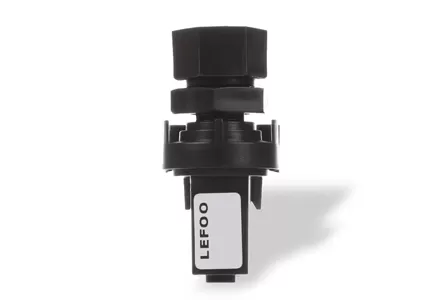
As fundamental automation components, mechanical pressure switches primarily serve two functions: First, safety protection, acting as high/low-pressure cut-out switches in refrigeration systems or low oil pressure alarm switches in lubrication systems. Second, process control, such as automating the load/unload cycles in air compressors or starting/stopping water pumps based on line pressure in water systems. Their cost-effectiveness, durability, and ease of operation are the main reasons for their widespread adoption in these fields.
During the actual selection process, key parameters to focus on include pressure range, deadband (differential gap), electrical load capacity, port size, ingress protection rating, and media compatibility. For specialized applications involving requirements such as explosion-proof certification, specific media, miniaturization, or high-current loads, we provide customization services based on proven platforms. This includes material changes, structural optimization, and performance tuning to meet the specific integration needs of customer equipment.



 Log in
  English
  日本語
日本語  한국어
한국어  français
  Deutsch
  Español
  italiano
  русский
  português
  العربية