
For OEM buyers, choosing between a mechanical pressure switch and a digital pressure switch is not simply a question of old technology versus new technology. Both types are useful, but they serve different design goals, cost structures, and system requirements. A mechanical pressure switch may be the best choice for simple and reliable on/off control, while a digital pressure switch may be better for smart equipment, adjustable settings, and automation systems.
This article explains the differences between mechanical and digital pressure switches from an OEM procurement perspective.
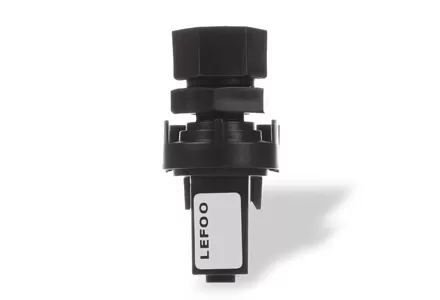
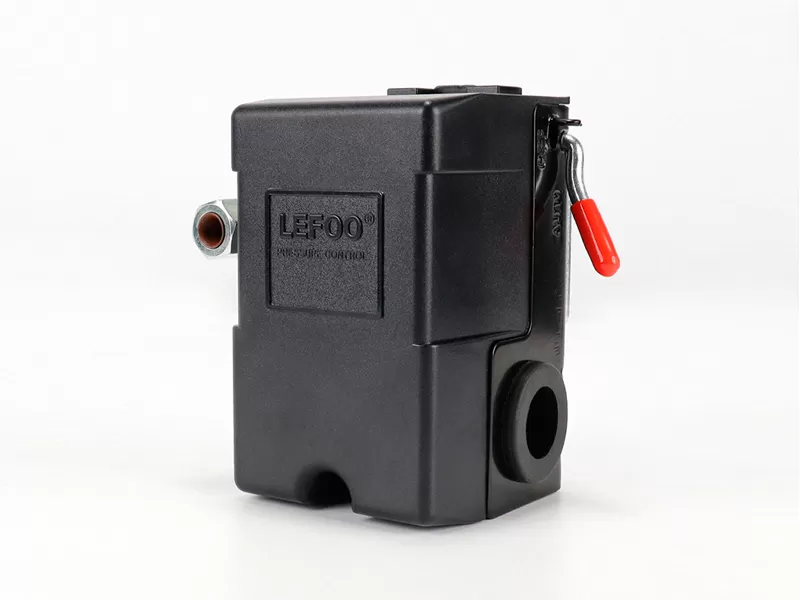
A mechanical pressure switch uses a mechanical sensing element, such as a diaphragm, piston, or spring-based mechanism, to detect pressure. When the pressure reaches a set point, the internal mechanism changes the state of an electrical contact. The switch can open or close a circuit to start, stop, or protect equipment.
Mechanical pressure switches are commonly used in:
Air compressors
Water pumps
RO booster pumps
HVAC equipment
Hydraulic and pneumatic systems
Industrial machinery
Appliance and fluid handling systems
Their main advantage is simplicity. They do not usually require programming, displays, or complex wiring. For many OEM products, this makes them reliable, easy to install, and cost-effective.
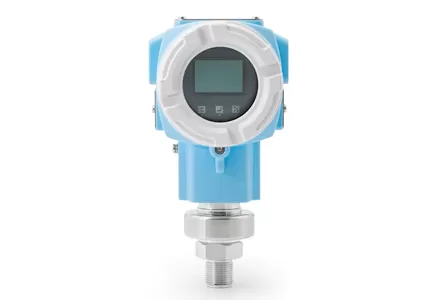
A digital pressure switch uses an electronic pressure sensor and circuit board to detect pressure and provide switching output. Many digital switches include a display, buttons, programmable set points, and additional output options.
Digital pressure switches are often used in applications where users need to see the pressure value, adjust the set point, connect to a controller, or improve system monitoring.
Typical applications include:
Automated equipment
Testing systems
Smart pumps
Industrial control panels
Pneumatic automation
Precision fluid control
Equipment requiring visual pressure feedback
Digital pressure switches offer more flexibility, but they also require more attention to power supply, wiring, environmental protection, and cost.
The following table summarizes the main differences:
| Comparison Point | Mechanical Pressure Switch | Digital Pressure Switch |
| Working method | Mechanical movement triggers contact | Sensor and electronics process pressure |
| Display | Usually no display | Often includes digital display |
| Adjustment | Manual or factory preset | Programmable set points |
| Cost | Generally lower | Generally higher |
| Integration | Simple circuit control | Better for automation systems |
| Power supply | May not need external power for switching | Usually requires power supply |
| Best use | Basic on/off control | Smart control and pressure monitoring |
| Maintenance | Simple replacement and adjustment | Requires electronic compatibility |
Neither option is universally better. The correct choice depends on the equipment function, user expectations, target market, and production budget.
A mechanical pressure switch is often the right choice when the application needs stable on/off control without advanced monitoring. For example, a water booster pump may only need to turn on when pressure drops and turn off when pressure reaches the required level. In this case, a mechanical switch can perform the task effectively.
Mechanical pressure switches are suitable when:
The system only needs open/close control
The pressure set point is fixed or rarely adjusted
Cost control is important
The product requires simple wiring
The equipment operates in a mature and stable design
The end user does not need a pressure display
The switch will be installed in large production volumes
For OEM production, simplicity can be an advantage. Fewer electronic parts may reduce design complexity, shorten assembly time, and make field replacement easier.
A digital pressure switch is more suitable when the equipment needs pressure visibility, programmable settings, or connection with automation controls. It can help users check pressure values directly and adjust parameters without replacing mechanical parts.
Digital pressure switches are suitable when:
The operator needs to see pressure readings
Multiple set points may be required
The equipment connects to a PLC or controller
The system requires higher control flexibility
The product is positioned as intelligent or premium equipment
Pressure monitoring is part of the user interface
Maintenance teams need easier diagnostics
For example, industrial automation equipment may benefit from a digital pressure switch because operators can read values and adjust thresholds quickly. In smart pump systems, a digital switch may also help improve system control and user experience.
Whether only switching control is required, or if pressure display is also needed
Whether the setpoint is fixed or needs to be adjustable on-site
Whether the equipment is for basic control or part of an intelligent monitoring system
Target cost and overall equipment pricing positioning
Required electrical output type and load specifications
Whether the installation environment involves moisture, dust, high temperature, or vibration
Switching frequency and expected service life requirements
Ease of after-sales replacement and maintenance
Whether there are size constraints or a need for panel display
Whether the same product needs to be used across multiple models
LEFOO provides custom solutions and OEM services for OEM buyers seeking reliable pressure control and sensing products. As one of the experienced pressure switch manufacturers, we offer mechanical pressure switches, differential pressure switches, pressure transmitters, pumps, and HVAC components to simplify sourcing and ensure system compatibility.
For OEM manufacturers, choosing the right pressure switch is critical to system performance. LEFOO offers application-based support to improve reliability and cost efficiency. Key advantages include:
Integrated product portfolio that simplifies sourcing and ensures compatibility across pressure control and fluid systems
Application-driven engineering support to match pressure switches with pumps, tubing, and system protection requirements
Reliable performance across water treatment, HVAC, and industrial automation applications
Flexible customization options to meet specific OEM design and installation needs
By working with LEFOO, OEM customers can benefit from:
Customized solutions tailored to different industries and system requirements
Stable product quality supported by strict manufacturing and testing standards
End-to-end engineering support covering pressure sensing, control, and fluid management
Reduced development time and improved product consistency for large-scale production
Mechanical pressure switches and digital pressure switches both have important roles in OEM equipment design. Mechanical switches are usually better for simple, cost-sensitive, high-volume on/off control. Digital pressure switches are better when the system needs display, programmable settings, automation integration, or improved diagnostics.
OEM buyers should choose based on application function, pressure range, electrical design, installation environment, user experience, and total cost. If you are not sure which type is more suitable for your equipment, LEFOO can help review your application conditions and recommend a practical pressure switch solution.



 Log in
  English
  日本語
日本語  한국어
한국어  français
  Deutsch
  Español
  italiano
  русский
  português
  العربية