
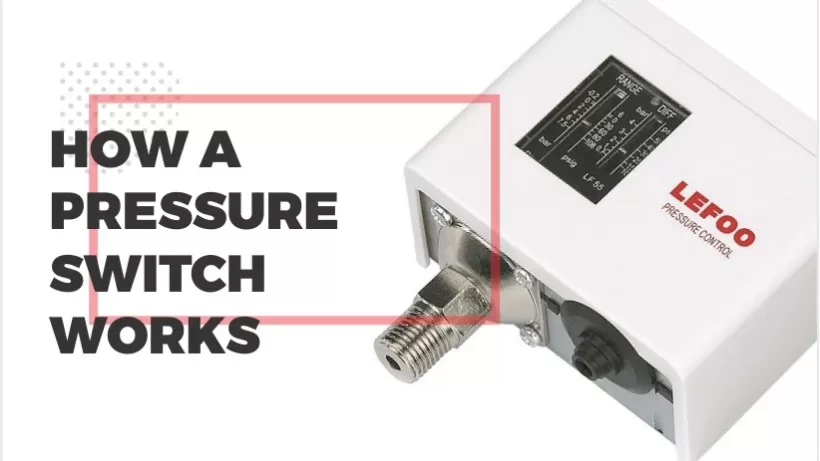
In the industrial world, precision and safety are non-negotiable. Whether you're managing an HVAC system, a hydraulic circuit, or a compressed air unit, having the right control components is critical to ensure smooth operation. One of the most widely used components in pressure control systems is the industrial pressure switch.
In this article, we will explore what an industrial pressure switch is, how it works, the different types available, key applications across industries, and tips for choosing the right model. We'll also highlight how advanced technologies — like those developed by Lefoo — are helping businesses enhance reliability and efficiency.
An industrial pressure switch is a device that monitors fluid or gas pressure and activates a switch once a certain pressure threshold is reached. It can either open or close an electrical contact to control the operation of other equipment such as pumps, compressors, alarms, or motors.
These switches are essential for automating processes and protecting equipment from damage caused by too high or too low pressure levels.
The core mechanism of a pressure switch involves sensing pressure changes and mechanically or electronically triggering a switch.
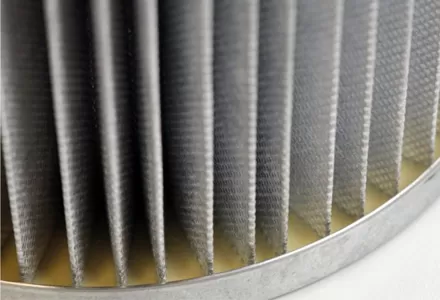
A mechanical pressure switch typically uses a diaphragm, piston, or bourdon tube that deforms with pressure. This deformation causes a mechanical linkage to move and engage or disengage an electrical contact at a preset point.
These models are robust, reliable, and often used in applications where digital control is not necessary.
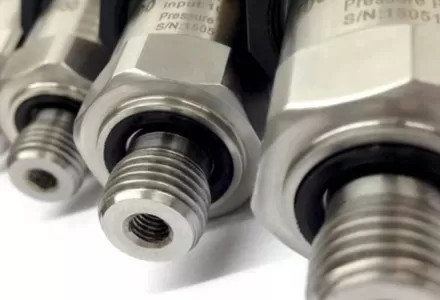
On the other hand, electronic pressure switches use sensors like strain gauges or piezoresistive elements to detect pressure. The signal is then processed electronically and used to trigger a relay or output.
These are ideal for applications requiring higher precision, programmability, and remote monitoring capabilities.
Setpoint Adjustment: Users can define upper and lower pressure limits.
Hysteresis Control: Prevents the switch from rapidly turning on/off around the setpoint.
Contact Configuration: SPDT, DPDT, and NO/NC options depending on control requirements.
Pressure Ranges: Models available for vacuum, low, medium, and high pressure systems.
Enclosure Ratings: IP65 or higher for protection against dust and water in industrial environments.
In heating, ventilation, and air conditioning (HVAC), pressure switches are used to regulate refrigerant cycles, monitor blower pressure, and trigger alarms in case of pressure anomalies.
In commercial and residential systems alike, reliability is key — a well-calibrated pressure switch ensures system safety and efficiency.
Air compressors rely on pressure switches to monitor tank pressure. When the pressure reaches a set high limit, the switch turns the compressor motor off; when it drops to a lower threshold, the switch reactivates it.
This process prevents over-pressurization and contributes to energy savings.
In water systems, pressure switches are used to start and stop pumps depending on the demand. This is especially common in residential water tanks, irrigation, and industrial water treatment applications.
They help avoid dry-running of pumps and extend equipment life.
Hydraulic machines such as presses, lifts, and injection molding machines use pressure switches to detect abnormal pressure changes. The switch can signal an alert or shut the system down to prevent failures.
In mobile hydraulics, they are vital for controlling brakes, steering, and auxiliary systems.
Industrial pressure switches are used in factories and plants for monitoring gases and liquids in pipelines, tanks, and vessels. They form part of the larger automation system and provide real-time feedback to PLCs and SCADA systems.
They are crucial in industries like food and beverage, pharmaceuticals, oil and gas, and chemical processing.
Choosing a reliable pressure switch delivers a wide range of benefits to industrial operations:
By ensuring systems do not exceed safe pressure limits, pressure switches protect critical equipment like compressors, boilers, and pipelines from damage.
In hazardous environments or high-pressure applications, a pressure switch acts as a vital safety component. It can shut down machinery automatically, preventing accidents.
Precise pressure control contributes to smoother operations, reduced downtime, and lower energy consumption — all of which result in cost savings.
Modern pressure switches with durable construction and high-quality materials last longer and require less maintenance, reducing overall operational costs.
Advanced models — such as those manufactured by Lefoo — offer compatibility with digital controls and allow integration into smart automation systems for real-time monitoring and predictive maintenance.
When selecting a pressure switch for your system, it's important to consider several factors:
Identify the minimum and maximum operating pressure of your application. Select a switch that has a range comfortably above and below these values to ensure safety and durability.
Determine the type of fluid or gas the switch will monitor. The internal materials (e.g., brass, stainless steel, plastic) must be compatible to avoid corrosion or degradation.
Check the voltage and current ratings of the switch to match your control circuit. Also, consider the type of contact (NO, NC, SPDT) needed for the application.
If your application involves harsh environments (dust, moisture, vibration), look for switches with suitable IP ratings, shock resistance, and enclosure protection.
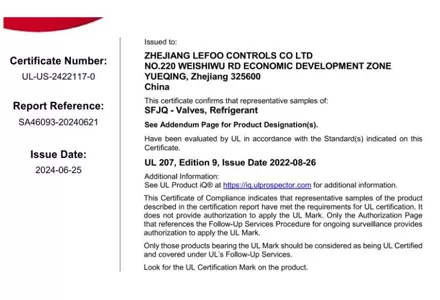
Depending on your industry, certifications like CE, UL, or RoHS may be required. Lefoo offers pressure switches that meet various international standards for industrial use.
Lefoo is a globally recognized manufacturer specializing in high-performance pressure switches, sensors, and control solutions. With a commitment to innovation and quality, Lefoo designs products tailored to meet the demands of modern industry.
Wide pressure range options
Durable materials and compact design
Precision calibration and stable performance
Compliance with global safety and quality standards
Competitive pricing with excellent technical support
Whether you need a simple mechanical pressure switch or a programmable electronic model with digital outputs, Lefoo offers a complete portfolio to suit every need.
An industrial pressure switch might be a small component, but it plays a critical role in ensuring system performance, safety, and energy efficiency. From compressors and HVAC units to complex automation systems, pressure switches are indispensable in modern industrial operations.
By understanding how they work and how to choose the right one, you can optimize performance, protect your equipment, and reduce costs in the long term. And with a reliable partner like Lefoo, you can be confident that you're using products designed for accuracy, durability, and industrial excellence.



 Log in
  English
  日本語
日本語  한국어
한국어  français
  Deutsch
  Español
  italiano
  русский
  português
  العربية