
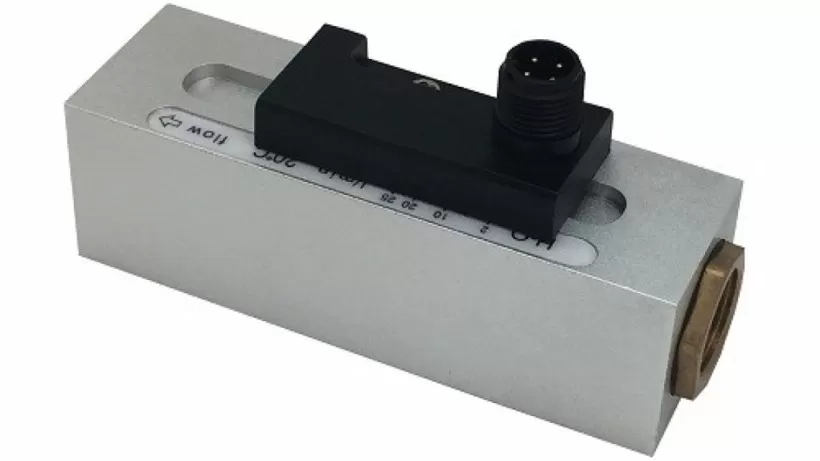
In industrial processes, accurate measurement and control of liquid or material levels are critical for efficiency, safety, and cost reduction. Choosing the right level meter is essential to ensure reliable operation and prevent costly downtime or product loss. With a variety of technologies available—such as ultrasonic, capacitive, radar, and float level meters—selecting the best option can be challenging.
In this article, we will guide you through the key factors to consider when choosing a level meter for your industrial application, explore the main types of level measurement technologies, and highlight their common uses across various industries.
Level measurement allows operators to monitor and control the amount of liquid, slurry, or solid material in tanks, silos, or pipelines. This information is crucial for:
Preventing overflows and spills that could damage equipment or harm the environment;
Maintaining optimal process conditions and product quality;
Ensuring safety by avoiding hazardous situations caused by improper levels;
Reducing waste and improving inventory management.
Selecting the correct level meter technology and model tailored to your specific application can help you achieve these goals efficiently.
Ultrasonic level meters use high-frequency sound waves to detect the level of material inside a container. The device emits ultrasonic pulses that reflect off the surface of the liquid or solid and return to the sensor. The time taken for the echo to return is converted into a distance measurement.
Advantages:
Non-contact measurement, ideal for corrosive or hazardous materials;
Suitable for liquids and solids;
Easy installation and maintenance.
Common Applications:
Water and wastewater treatment plants;
Chemical storage tanks;
Food and beverage industry.
Capacitive level meters work by measuring changes in capacitance caused by the presence or absence of material between two electrodes. When the level changes, the capacitance varies accordingly, allowing the device to detect the level.
Advantages:
Suitable for both conductive and non-conductive liquids and solids;
Can be used in harsh environments;
High accuracy and sensitivity.
Common Applications:
Chemical processing;
Pharmaceutical manufacturing;
Food industry.
Radar level meters use microwave radar pulses to measure the distance to the surface of the material. Similar to ultrasonic meters, they calculate level based on the time it takes for the radar signal to reflect back.
Advantages:
Highly accurate and reliable, even in extreme temperatures or pressures;
Not affected by dust, vapor, or foam;
Suitable for liquids and solids.
Common Applications:
Oil and gas industry;
Petrochemical plants;
Bulk solids storage.
Float level meters utilize a buoyant float that moves with the level of the liquid. This movement is mechanically or magnetically transferred to a sensor or indicator.
Advantages:
Simple design and low cost;
Suitable for clear liquids;
Easy to install and maintain.
Common Applications:
Fuel tanks;
Water reservoirs;
Cooling systems.
The nature of the material to be measured significantly influences the choice of level meter. Factors such as:
Whether the material is liquid, solid, slurry, or powder;
Conductivity and dielectric constant;
Viscosity and density;
Presence of foam, vapor, or dust.
For example, ultrasonic meters might struggle with foamy liquids, while radar meters perform well in such conditions.
Consider the size, shape, and construction material of the tank or vessel. Some level meters require a clear line of sight to the surface, while others can operate around obstacles.
Temperature, pressure, humidity, and the presence of corrosive or explosive atmospheres affect the suitability of certain level meters. Radar and capacitive meters often handle harsh environments better than ultrasonic or float types.
Define the accuracy needed for your process and the measurement range. High-precision processes may require radar or capacitive meters, while less demanding applications might be served by float meters.
Consider ease of installation, calibration needs, and maintenance requirements. Non-contact meters usually have lower maintenance costs compared to mechanical float devices.
Improved Process Control: Accurate level measurement enables precise control of filling, mixing, or emptying operations.
Cost Savings: Preventing overflows, spills, and unnecessary downtime reduces operational costs.
Enhanced Safety: Avoiding dangerous overfill conditions protects workers and equipment.
Regulatory Compliance: Reliable measurement helps meet environmental and safety regulations.
Choosing the ideal level meter for your industrial application requires understanding the material properties, environmental conditions, and operational needs. Whether you need non-contact ultrasonic sensors for corrosive liquids or robust radar meters for high-pressure tanks, selecting the right technology ensures accuracy, reliability, and efficiency.
At Lefoo, we offer a wide range of high-quality level meters tailored to diverse industrial applications. Our expert team is ready to help you select and implement the perfect solution to optimize your processes.




 Log in
  English
  日本語
日本語  한국어
한국어  français
  Deutsch
  Español
  italiano
  русский
  português
  العربية