
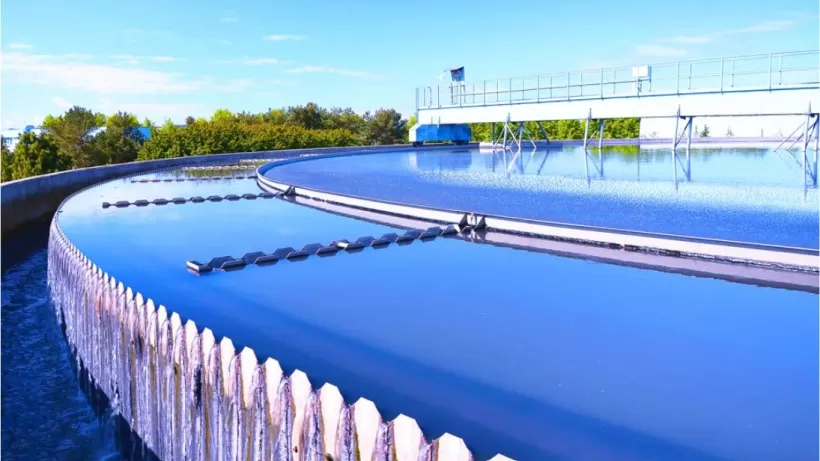
Water is one of the most essential resources for human life and industrial activity — yet it is also one of the most threatened. As global demand for clean water rises, the efficiency of water treatment and filtration systems has become more important than ever.
Among the many components that keep these systems running smoothly, pressure sensors play a key role. They help operators monitor flow, detect clogs, optimize filtration performance, and reduce energy consumption.
Companies like Lefoo, with extensive experience in sensor technology, design reliable and accurate pressure sensors that enable smarter and more sustainable water management.
This article explores how pressure sensors contribute to water treatment and filtration efficiency, their key applications, and the innovations shaping the industry's future.
Pressure sensors are critical for monitoring and controlling water pressure throughout the entire treatment process.
In systems such as:
Reverse osmosis (RO) filters
Ultrafiltration units
Industrial water purification systems
Municipal water supply plants
these sensors provide continuous feedback to maintain optimal operating conditions.
By measuring pressure differences across filters, membranes, or pipelines, operators can detect performance issues early — such as fouling, clogging, or leaks — and take corrective action before energy or water is wasted.
Filtration efficiency largely depends on maintaining the correct pressure differential.
In most filtration systems, a pressure sensor is installed before and after the filter element. The difference between the two readings indicates the filter's condition:
A low differential pressure means the filter is clean and functioning efficiently.
A rising differential pressure signals that the filter is becoming clogged and needs cleaning or replacement.
This real-time data allows for predictive maintenance, helping operators avoid unplanned downtime and extend the filter's service life.
Lefoo's differential pressure sensors are widely used in filtration systems for their accuracy, reliability, and resistance to harsh water environments.
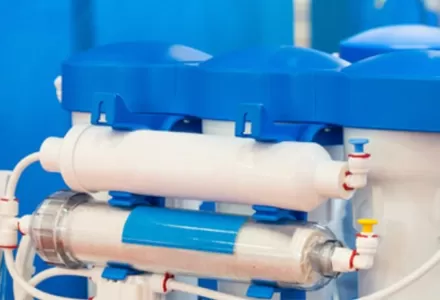
Reverse osmosis is one of the most common water purification technologies, used in both residential and industrial settings. Pressure control is vital for maintaining RO performance and water quality.
Pressure sensors in RO systems:
Monitor the feed pressure entering the membrane.
Measure permeate and concentrate pressures to optimize flow balance.
Detect membrane fouling or failure by identifying unusual pressure variations.
By providing this critical feedback, pressure sensors ensure that membranes operate within their ideal range — maximizing filtration efficiency and minimizing energy waste.
Lefoo's stainless steel pressure transducers are particularly suited for RO systems, offering corrosion resistance and high accuracy in continuous operation.
Pumps are the largest energy consumers in water treatment plants. Without proper pressure monitoring, they may run at inefficient speeds or against excessive backpressure, wasting both electricity and water.
Pressure sensors help:
Maintain optimal pump pressure and flow rate.
Enable variable frequency drive (VFD) control, adjusting motor speed to demand.
Reduce wear and tear by preventing over-pressurization.
Through precise monitoring, facilities can cut energy use by up to 20–30%, while also extending pump lifespan — an essential step toward sustainable water management.
Leaks are a major source of water loss and operational inefficiency in treatment facilities. Pressure sensors enable early leak detection by continuously tracking pressure stability in pipelines and tanks.
A sudden drop in pressure usually signals:
Pipe leakage or rupture
Valve malfunction
System blockages
With real-time alerts, operators can isolate and fix issues quickly, preventing water waste and minimizing downtime.
Lefoo's sensors are designed for fast response time and high stability, ensuring accurate leak detection even under dynamic flow conditions.
Water treatment often involves chemical dosing for pH adjustment, disinfection, or coagulation. Maintaining precise dosing requires accurate pressure measurement to regulate flow rates in dosing pumps and injectors.
Pressure sensors:
Ensure consistent chemical injection pressure.
Prevent overdosing or underdosing.
Help maintain regulatory compliance for treated water quality.
Lefoo offers compact, chemically resistant sensors ideal for integration into dosing systems used in municipal and industrial plants.
The future of water treatment lies in digital transformation.
By integrating smart pressure sensors into Internet of Things (IoT) platforms, operators gain access to advanced monitoring, analytics, and remote control capabilities.
Benefits include:
Real-time data visualization through dashboards.
Predictive maintenance using AI-driven algorithms.
Automated adjustments for flow and pressure control.
Reduced manual inspection and operational costs.
Lefoo's digital pressure sensors are compatible with modern communication protocols such as Modbus, I²C, and analog outputs, making them easy to implement in smart water networks.
Water treatment environments can be harsh, with exposure to moisture, corrosive chemicals, and variable temperatures.
Pressure sensors must be built with durable materials such as:
Stainless steel for corrosion resistance.
Ceramic diaphragms for high chemical compatibility.
Sealed electronics for protection against humidity.
Lefoo designs its sensors to withstand these demanding conditions, ensuring long-term performance and minimal maintenance even in continuous operation.
Pressure sensors don't just improve operational efficiency — they also support sustainability goals.
By enabling better control over energy and water use, they help reduce:
Water waste through leak prevention.
Energy consumption by optimizing pump operation.
Chemical waste through accurate dosing.
In a world facing growing water scarcity, the integration of efficient and intelligent sensors represents a vital step toward responsible resource management.
Pressure sensors are the unseen backbone of modern water treatment and filtration systems. They ensure optimal performance, prevent waste, and contribute directly to energy efficiency and sustainability.
From reverse osmosis units to municipal treatment plants, Lefoo pressure sensors deliver the precision and reliability required to meet today's global water challenges.
As technology advances toward smarter, more connected systems, Lefoo continues to innovate — empowering industries and communities with efficient, sustainable, and intelligent water management solutions.




 Log in
  English
  日本語
日本語  한국어
한국어  français
  Deutsch
  Español
  italiano
  русский
  português
  العربية