
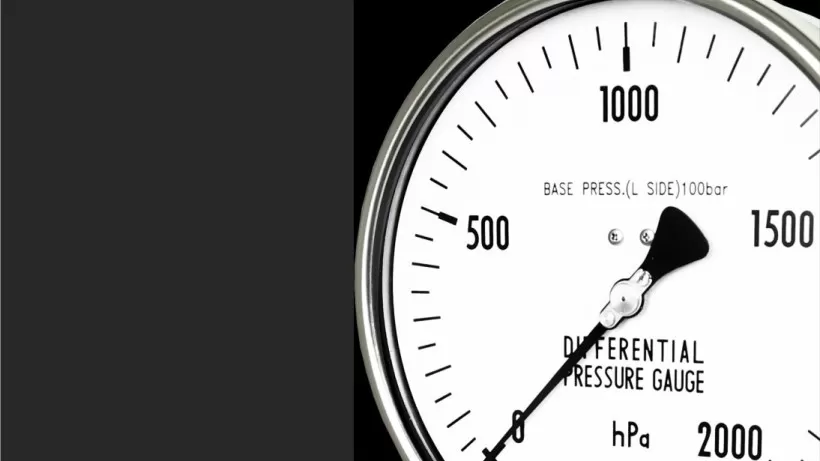
In many industrial systems, pressure monitoring and control are essential to ensuring safety, performance, and efficiency. Two key components often used for these tasks are pressure switches and pressure transducers. Although they both deal with measuring or controlling pressure, they function in very different ways and are suited to different applications.
In this article, we'll explore the differences between pressure switches and pressure transducers, their respective functions, advantages and disadvantages, and guidance on how to choose the best option for your system.
A pressure switch is an electromechanical device that opens or closes an electrical contact when a certain set pressure is reached. It is typically used to activate or deactivate equipment such as pumps, compressors, alarms, or valves based on predefined pressure levels.
A diaphragm or piston inside the pressure switch reacts to pressure changes. When the pressure exceeds or drops below a preset point, the switch triggers a mechanical contact that either opens or closes a circuit.
On/off control
Adjustable setpoints
Simple installation and use
No continuous signal output
A pressure transducer (also called a pressure sensor) is an electronic device that converts pressure into an electrical signal. Unlike a pressure switch, a transducer provides continuous monitoring of pressure and transmits real-time data to a control system or monitoring device.
The transducer contains a sensing element (often a strain gauge) that deforms under pressure. This mechanical change is converted into an electrical output signal—typically analog (voltage or current) or digital (I2C, SPI, CAN).
Real-time, continuous pressure readings
High accuracy and resolution
Can integrate with digital control systems
Variety of output signal formats
| Feature | Pressure Switch | Pressure Transducer |
| Output | Discrete (on/off) | Continuous (analog or digital signal) |
| Functionality | Threshold-based control | Real-time pressure monitoring |
| Accuracy | Moderate | High |
| Cost | Generally lower | Generally higher |
| Integration | Simple electrical systems | Complex control systems (PLC, SCADA, etc.) |
| Response Time | Slower (mechanical contact delay) | Faster (electronic signal) |
| Maintenance | Low maintenance | May require calibration and protection |
Pressure switches are best suited for systems that only require simple control or protection based on fixed pressure thresholds. Some ideal use cases include:
Air compressors: To stop the compressor when maximum pressure is reached.
Pump protection: To prevent dry running or overpressure.
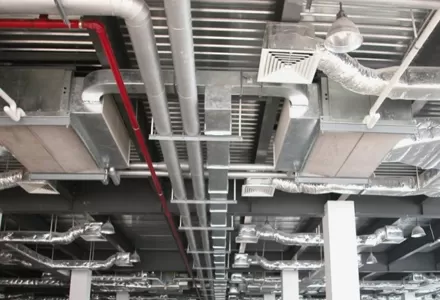
HVAC systems: To trigger alarms or shut down components when pressure exceeds safe limits.
Water treatment: To switch pumps on/off based on tank levels or line pressure.
Advantages:
Cost-effective
Easy to install
No need for complex electronics
Limitations:
Not suitable for applications that need detailed data
Less accurate
Limited configurability
Pressure transducers are ideal for applications where precision and data logging are critical. They are commonly found in:
Industrial automation: For continuous monitoring and closed-loop control
HVAC and building automation: For accurate airflow and pressure regulation
Medical devices: To track patient respiratory pressure in ventilators
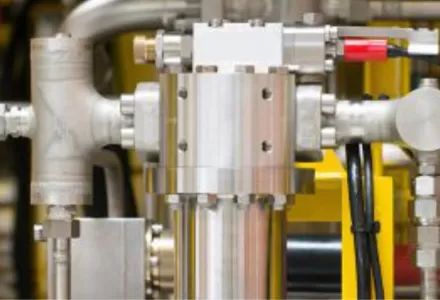
Hydraulic and pneumatic systems: For real-time pressure feedback to controllers
IoT and remote monitoring systems: Where pressure data is sent to cloud platforms
Advantages:
Accurate and stable readings
Integrates easily with modern control systems
Enables predictive maintenance and diagnostics
Limitations:
Higher cost
Requires signal conditioning or digital integration
May be more sensitive to environmental conditions
Choosing the right device depends on your system requirements. Below is a checklist to guide your selection:
On/off → Pressure switch
Continuous measurement → Pressure transducer
Low-budget applications can benefit from the cost-effectiveness of switches
Higher-end systems may justify investment in transducers
No → Switch
Yes → Transducer
Moderate accuracy needed → Switch
High accuracy and resolution needed → Transducer
Simple, low-noise environments → Switch
Complex or high-vibration environments → Choose rugged transducers
In many industrial systems, pressure switches and transducers are used together. For instance:
The transducer provides continuous pressure feedback to a control system.
The pressure switch acts as a failsafe, triggering an emergency shutdown if pressure goes beyond safe limits.
This combination enhances both operational efficiency and safety.
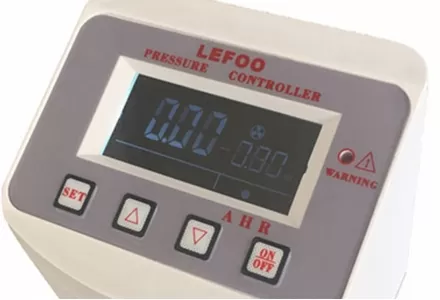
Whether you need a pressure switch, a pressure transducer, or both, Lefoo offers a comprehensive portfolio of high-quality pressure control devices. Known for reliability, precision, and affordability, Lefoo products are trusted in applications ranging from HVAC and medical equipment to water purification and industrial automation.
Key advantages of choosing Lefoo:
Wide range of customizable pressure sensors and switches
Competitive pricing
Global support and distribution
Certifications that ensure compliance with international standards
Lefoo's technical support team can help you select the ideal product for your application and offer guidance on installation and integration.
Understanding the difference between pressure switches and pressure transducers is crucial to selecting the right solution for your application. While pressure switches are perfect for straightforward on/off control, transducers offer high-precision monitoring and real-time data that modern automation systems demand.
Evaluate your system's needs carefully—accuracy, response time, signal output, and budget all play a role. In some cases, a hybrid approach using both devices may offer the best results.
Looking for expert advice or high-performance pressure devices? Lefoo has you covered. Reach out to our team to find the perfect fit for your system.
Ready to improve your pressure monitoring system? Contact Lefoo today and discover the ideal solution for your industrial needs.



 Log in
  English
  日本語
日本語  한국어
한국어  français
  Deutsch
  Español
  italiano
  русский
  português
  العربية