
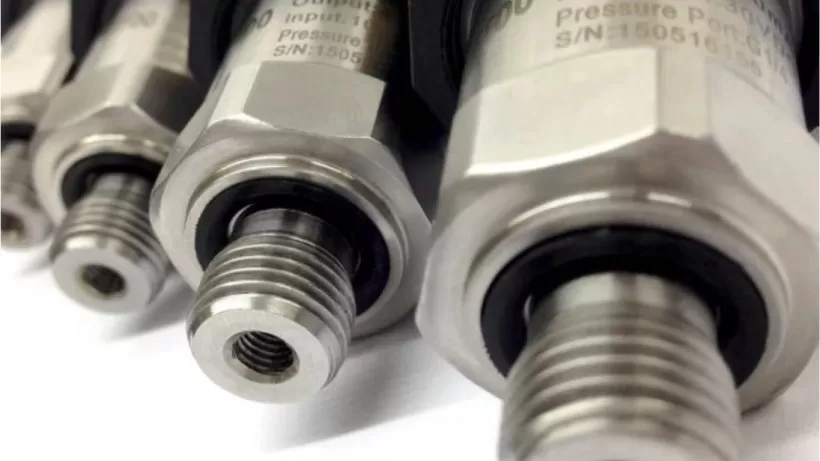
Pressure sensors play a critical role in a wide variety of industrial processes, ensuring systems operate safely, efficiently, and accurately. Whether in HVAC systems, water purification, air compressors, or industrial automation, choosing the right pressure sensor is essential to maintaining system performance and reducing downtime.
This article will explore how pressure sensors work, the main types available on the market, and what to consider when selecting the ideal sensor for your specific application.
A pressure sensor is a device that measures the pressure of gases or liquids. It converts the pressure into an electrical signal that can be read and analyzed by a monitoring system or control unit. The data from pressure sensors can be used to control processes, activate alarms, or perform diagnostics.
Pressure sensors are commonly used in systems that require pressure monitoring to ensure safe and effective operation. Examples include air compressors, HVAC systems, hydraulic and pneumatic machinery, medical equipment, and fluid transfer systems.
Understanding the different types of pressure sensors is key to selecting the right one for your application. Here are the most common types:
An absolute pressure sensor measures pressure relative to a perfect vacuum. These sensors are ideal for applications where accurate atmospheric pressure readings are required, such as in meteorology and altitude measurement.
Gauge pressure sensors measure pressure relative to atmospheric pressure. These are the most commonly used sensors in industrial settings, especially where pressure is measured in closed systems like HVAC units or water lines.
Differential pressure sensors measure the difference in pressure between two points. They are used in filtration systems, flow measurement, and level monitoring where a comparative reading is necessary.
Sealed pressure sensors are similar to gauge pressure sensors but reference a fixed, sealed pressure instead of the ambient atmospheric pressure. These are suitable for high-pressure applications where atmospheric pressure variations can affect readings.
Selecting the right pressure sensor requires careful evaluation of various factors related to the application. Here are the most important considerations:
Each sensor is designed to operate within a specific pressure range. Selecting a sensor that matches your system's pressure levels is crucial to avoid sensor damage or inaccurate readings. Always choose a sensor with a range slightly above the system's maximum pressure.
Consider the type of gas or liquid the sensor will come into contact with. Some media can be corrosive or reactive, so ensure the sensor materials are compatible. Stainless steel and ceramic are common materials used in harsh environments.
Accuracy refers to how close the sensor's output is to the actual pressure, while resolution is the smallest pressure change the sensor can detect. High-precision applications require sensors with high accuracy and resolution.
Take into account the temperature, humidity, and presence of vibrations or electromagnetic interference in the operating environment. Choose a sensor that can withstand these conditions without compromising performance.
Pressure sensors can output signals in various forms, such as:
Analog (voltage or current)
Digital (I2C, SPI, CAN, or Modbus)
The choice of output depends on the system architecture and how the sensor will communicate with controllers or monitoring devices.
Consider the available space for sensor installation. Some systems require compact sensors due to tight installation areas. Also, ensure the mounting configuration aligns with your system requirements (e.g., threaded, flange, or quick-connect).
In fast-paced industrial processes, response time is critical. Choose a sensor with a fast response time to detect pressure changes quickly and accurately.
Here are a few examples of how pressure sensors are applied in different industrial sectors:
Pressure sensors help monitor and control air pressure in ducts and ventilation systems to ensure energy efficiency and comfort.
In water systems, pressure sensors are used to monitor pump performance, detect leaks, and maintain optimal filtration.
Pressure sensors help regulate the compressor output, avoid over-pressurization, and protect the system from damage.
In automated production lines, pressure sensors ensure hydraulic and pneumatic systems function within safe pressure limits.
Medical devices such as ventilators and anesthesia machines use pressure sensors to regulate airflow and monitor patient safety.
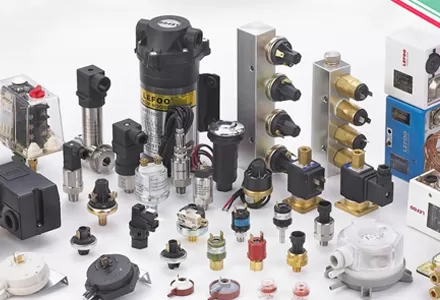
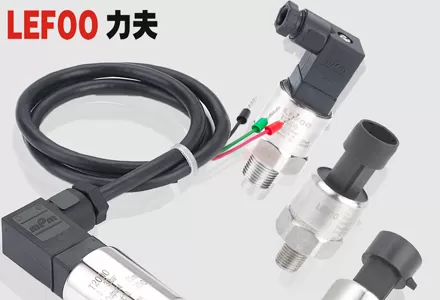
Choosing a reliable pressure sensor supplier ensures not only product quality but also access to technical support, documentation, and customization. A manufacturer like Lefoo offers a wide variety of pressure sensors tailored to industrial needs. Lefoo products are known for their accuracy, durability, and integration flexibility, making them a trusted choice in many global industries.
Selecting the right pressure sensor is crucial to the safety and efficiency of any industrial system. By understanding the types of sensors and evaluating key application factors such as pressure range, media compatibility, and signal output, you can make a well-informed decision.
Whether you operate in HVAC, water treatment, automation, or another industry, choosing high-quality sensors from a trusted manufacturer like Lefoo will provide long-term value and reliable performance.
Need help choosing the right pressure sensor? Contact Lefoo's technical team to discuss your application and find the perfect sensor solution.



 Log in
  English
  日本語
日本語  한국어
한국어  français
  Deutsch
  Español
  italiano
  русский
  português
  العربية