
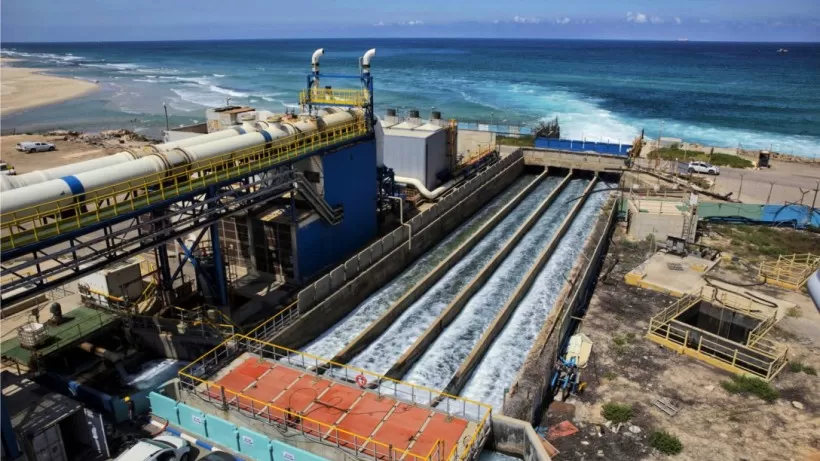
Among the control needs made by sensors in the industry, level sensors are among the most widely used. Hydraulic systems are present in many industrial plants, but they have also gained a lot of space in homes, condominiums, focusing on reducing the impact of water supply crises in large centers.
In industries, boilers and reservoirs already use these controls to maintain the correct functioning of various systems and processes and ensure the safety of some of them. The operating logic of these controls is very simple, varying only according to the technology used.
The most common systems operate with float type sensors. This sensor consists of a small float containing an encapsulated electrical contact, acting as a switch, opening and closing its contacts. When attached to the reservoir margins, this float is responsible for opening or closing an electrical contact as the water level reaches the float variation point.
Many of these systems are made up of two sensors. One of these sensors indicates the minimum reservoir level, while the other controls the maximum level.
Taken together, these sensors identify when the minimum level is reached. At this point the water pumps are triggered. When the water level reaches the upper limit again, the second sensor opens its contact, disabling the pump.
This type of level control has the advantage of having a low installation cost as well as long duration, being possible its use with water pumps of any capacity.



 Log in
  English
  日本語
日本語  한국어
한국어  français
  Deutsch
  Español
  italiano
  русский
  português
  العربية