
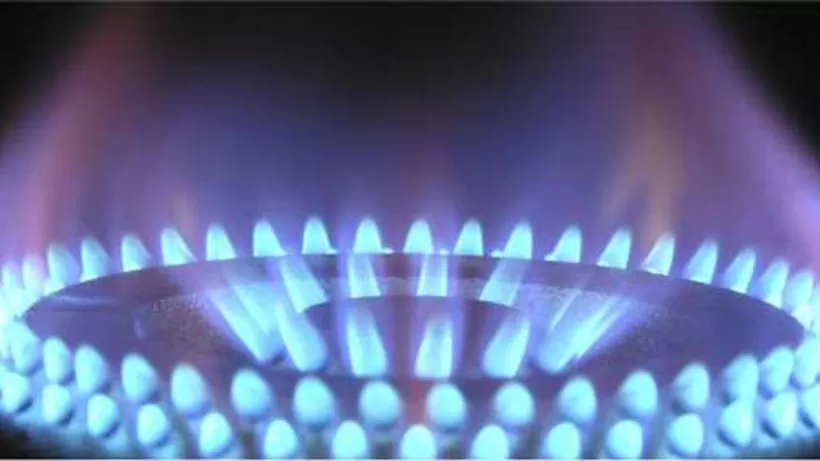
There are three main types of temperature sensors and each has its own strengths and weaknesses.
A resistance temperature detector (RTD) is made of a sensor element that changes resistance with temperature. Most RTDs use a platinum temperature sensor element. Platinum offers the most stable relationship between resistance and temperature in the largest temperature range.
An RTD would be the best sensor choice for stability, accuracy and repeatability. On the other hand, RTDs can rarely be used at high temperatures because platinum can absorb impurities and is slower to respond to changes in temperature.
Our second type of resistance-based temperature sensors are thermistors. Instead of a pure metal, as in an RTD, these sensors use ceramic or polymer. There are two opposing types: a negative temperature coefficient (NTC) in which the resistance decreases as the temperature increases or a positive temperature coefficient (PTC) in which the resistance increases as the temperature increases.
Thermistors in general are the most widely used sensors for OEM applications and consumer devices, due to their low cost and versatility. So, what's the downside? Precision is offered only within a very limited temperature range and has low stability.




 Log in
  English
  日本語
日本語  한국어
한국어  français
  Deutsch
  Español
  italiano
  русский
  português
  العربية