
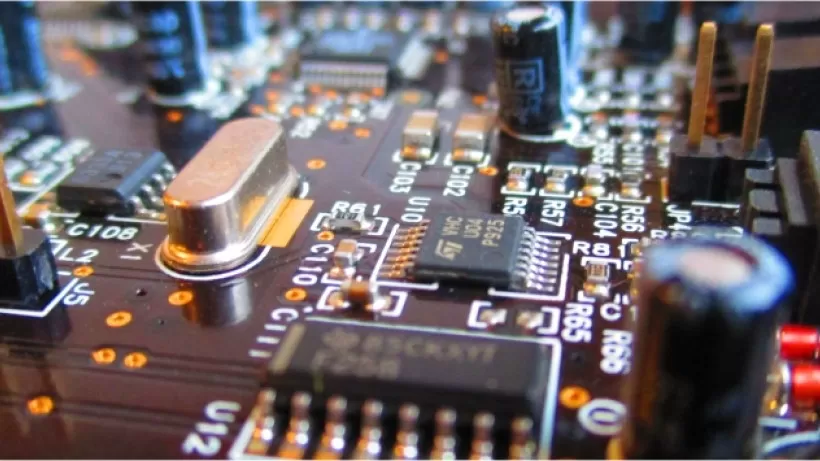
Have you ever wondered how an electronic pressure switch works? Pressure switches are one of the most used fluid control components in the industry. We use them at home, in our refrigerators, dishwashers and washing machines. Whenever we deal with a gas or liquid, we almost always need to control the pressure and the pressure switches do that.
Our appliances do not require high precision or experience high cycle rates. On the other hand, pressure switches used in industrial machines and systems must be robust, reliable, accurate and have a high life cycle.
In industrial equipment we depend on pressure switches to act as safety devices, alarms or as the control element within the system. But in most cases, we consider this component little when we make a purchase.
Electronic pressure switches provide output signals from electronic switches. They also generally produce an additional analog output signal proportional to the pressure. The electronic pressure switches are set at the factory to the ideal switching points or are programmable on site, thanks to integrated displays and buttons. Its integrated programmable logic allows the switching points and the output signal to be adapted to the application.
Among the many programmable functions of modern electronic pressure switches are hysteresis, the delay time, normally closed or normally open, and the window function. They also provide constant pressure readings and indicate whether the switch outputs are active or not. IO-Link technology can also be used for remote programming via signal cable.
Electronic pressure switches are suitable for applications that require stability, multiple switching points and control flexibility - such as control and automated equipment. They are the desired choice for installations that require flexible programming and adjustment, display of local indication and extra analog output signals.
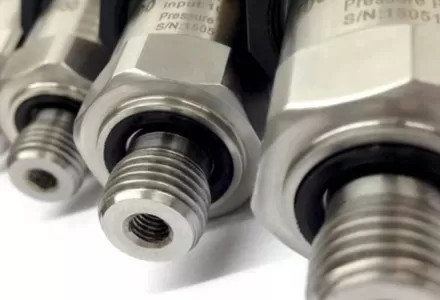
Among our line, we have electronic pressure switches developed especially for pneumatic and gas applications. Thus, Lefoo is one of the world references in the development of pressure switches for the industry.
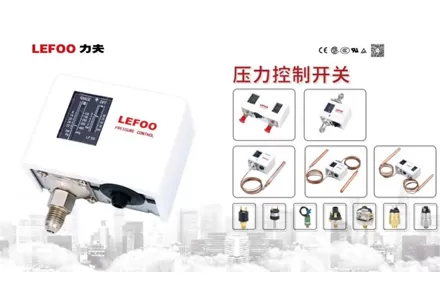
Lefoo electronic pressure switches are available in models with a front panel display, in addition to simpler models, without this display. They have versions in PNP and NPN, all with the possibility of adjusting minimum and maximum performance points.



 Log in
  English
  日本語
日本語  한국어
한국어  français
  Deutsch
  Español
  italiano
  русский
  português
  العربية