
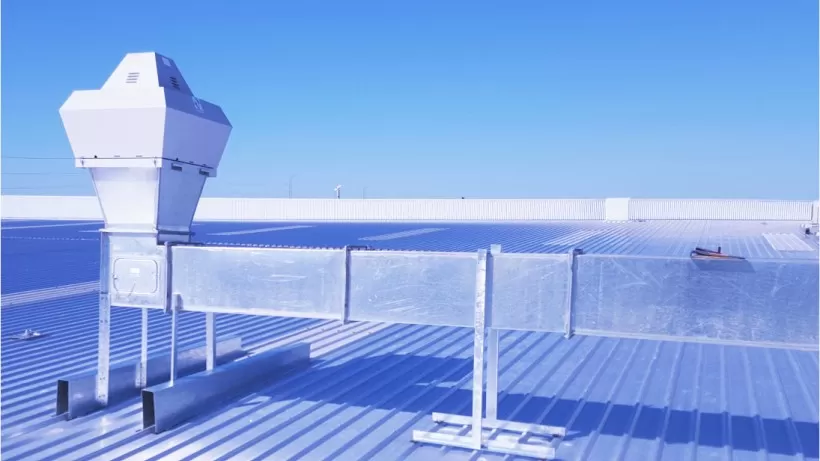
As cities grow smarter and buildings become more connected, the demand for intelligent, energy-efficient systems continues to rise. Modern architecture now integrates advanced technologies to monitor, control, and optimize environmental conditions automatically. Among the many devices that make this possible, pressure sensors play a vital role—especially within HVAC systems (Heating, Ventilation, and Air Conditioning).
Pressure sensors ensure that air and fluid systems within smart buildings operate smoothly, safely, and efficiently. They detect changes in pressure levels and transmit data to building management systems (BMS), enabling automated adjustments that enhance comfort, reduce energy use, and extend equipment lifespan.
A pressure sensor measures the force exerted by air or liquid within a system and converts it into an electrical signal. This information is then used to control fans, pumps, valves, and compressors in real time. In smart buildings, these sensors are key components for monitoring HVAC, water circulation, and air filtration systems.
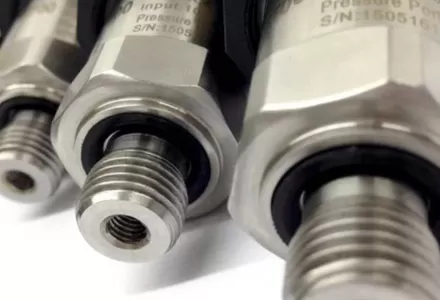
Lefoo pressure sensors are engineered to provide precise, stable, and reliable data that supports automation and energy management. Whether used in air ducts, refrigerant lines, or water systems, Lefoo's sensors help building operators maintain optimal pressure levels—improving both performance and sustainability.
HVAC systems are responsible for a significant portion of a building's total energy consumption. When pressure is not properly managed, the system must work harder to maintain desired temperatures, which leads to inefficiency, higher energy costs, and faster equipment wear.
By integrating Lefoo pressure sensors, HVAC systems can automatically balance airflow, refrigerant pressure, and fluid circulation according to real-time demand. This allows for HVAC optimization, ensuring that heating and cooling units operate only when necessary and at the right capacity.
For example, pressure sensors in air ducts measure differential pressure between various zones, helping regulate airflow distribution. In refrigeration systems, sensors detect fluctuations in refrigerant pressure, allowing controllers to adjust compressor speed or valve positions. The result is improved temperature control, reduced energy waste, and prolonged system life.
Air Handling Units (AHU):
Pressure sensors monitor air filters and fans to ensure consistent air distribution and filter cleanliness. A clogged filter causes a pressure drop that increases energy consumption. With pressure monitoring, maintenance can be scheduled proactively, improving indoor air quality and efficiency.
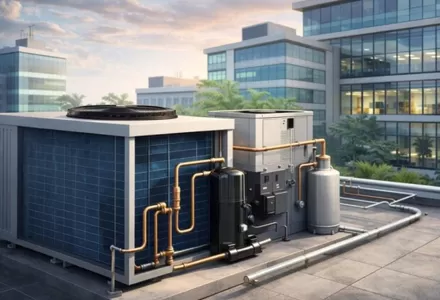
Chillers and Heat Pumps:
Refrigerant pressure sensors monitor the cooling and heating cycles to ensure efficient performance. Lefoo sensors detect early signs of leaks or system imbalance, preventing damage and costly downtime.
Boilers and Hydronic Systems:
In water-based heating systems, pressure sensors maintain proper water circulation, preventing pump overload or low-pressure faults.
Building Automation Systems:
Integrated with smart controllers, pressure sensors allow real-time data exchange across HVAC networks. This enables remote monitoring and optimization through intelligent building management platforms.
Energy efficiency is one of the most important goals in smart building design. Pressure sensors contribute directly to reducing power consumption by optimizing how HVAC systems operate. By providing accurate data, they allow systems to run at variable speeds instead of full capacity, resulting in significant energy savings.
Furthermore, improved system performance reduces maintenance costs and extends equipment lifespan. Over time, this contributes to sustainable building operations and aligns with green building certifications such as LEED (Leadership in Energy and Environmental Design).
Lefoo pressure sensors are built with precision and durability, ensuring long-term accuracy that supports both economic and environmental sustainability.
In today's era of the Internet of Things (IoT), building management systems rely on interconnected sensors to deliver insights and predictive control. Pressure sensors act as critical data sources for these networks. They continuously send readings to cloud-based platforms where AI algorithms analyze performance and detect inefficiencies.
By integrating Lefoo pressure sensors into HVAC and automation systems, building operators can monitor performance remotely, identify issues before failures occur, and make informed decisions for preventive maintenance. This not only increases operational reliability but also supports data-driven energy optimization.
Lefoo's advanced sensor technology allows seamless integration with digital controllers and industrial communication protocols, making it a perfect fit for modern smart infrastructure.
Lefoo has decades of experience developing pressure sensing technology for industrial and commercial applications. Each sensor is designed with high-accuracy components, temperature compensation, and strong resistance to environmental stress.
Key advantages include:
High precision and stability for consistent data in demanding HVAC environments.
Compact design for easy installation in ducts, pipes, and control panels.
Wide pressure range to support various applications, from low-pressure ventilation to high-pressure refrigeration.
Reliable performance under temperature fluctuations and vibration.
Customizable configurations to meet different industry and building requirements.
These features make Lefoo pressure sensors a trusted choice for system integrators, OEMs, and facility managers seeking dependable, high-performance solutions.
As smart buildings continue to shape the future of sustainable infrastructure, pressure sensors are becoming indispensable tools for achieving greater efficiency, comfort, and reliability. They enable precise monitoring and automation of HVAC and fluid systems—critical for reducing energy use and maintenance costs.
Lefoo pressure sensors, known for their accuracy and durability, empower building operators to maintain optimal performance while advancing toward greener, smarter operations. By integrating Lefoo's technology, facilities can enhance indoor comfort, lower energy consumption, and ensure long-term system stability—making the modern smart building truly intelligent.



 Log in
  English
  日本語
日本語  한국어
한국어  français
  Deutsch
  Español
  italiano
  русский
  português
  العربية