
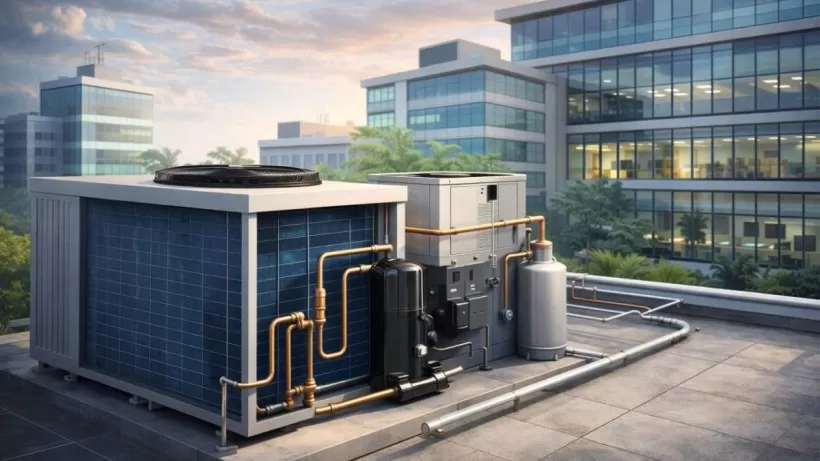
As global demand for energy efficiency grows, the heating, ventilation, and air conditioning (HVAC) industry is evolving rapidly. Modern systems are not only designed to provide comfort but also to minimize energy consumption and environmental impact. One of the most effective ways to achieve these goals is through intelligent pressure management — a precise control strategy that uses sensors and automation to regulate airflow, refrigerant pressure, and system performance.
At the heart of this innovation are Lefoo HVAC pressure sensors and transmitters, engineered to provide real-time monitoring, accurate data, and seamless integration with building automation systems. These technologies are helping facilities around the world enhance efficiency, lower operational costs, and extend equipment lifespan.
In HVAC systems, pressure plays a key role in determining how effectively air and refrigerant flow through the system. Incorrect pressure levels can lead to a variety of issues: compressors working harder than necessary, inefficient cooling or heating, and wasted energy.
For example, when refrigerant pressure is too low, the system must operate longer to achieve the desired temperature. Conversely, excessive pressure increases energy use and shortens component life. Maintaining the right balance is critical for HVAC system optimization and long-term performance.
By using intelligent pressure sensors to monitor and control these variables, building operators can achieve consistent efficiency and prevent unnecessary strain on the system. This approach directly translates into energy savings, improved comfort, and reduced carbon emissions.
Intelligent pressure management refers to the use of advanced sensors, controllers, and algorithms to regulate air and fluid pressure dynamically based on real-time conditions. Instead of fixed-speed fans or pumps running continuously, modern systems adjust their output automatically according to sensor feedback.
This smart control method is a key principle of smart building automation, where various HVAC components — compressors, fans, valves, and heat exchangers — communicate and adapt to environmental and occupancy changes.
Lefoo pressure sensors are designed for seamless integration into these intelligent systems, providing precise data that enables optimized control strategies and measurable energy savings.
Lefoo offers a broad range of pressure sensors and transmitters specifically developed for HVAC systems. These devices measure air, water, and refrigerant pressure across critical system components, including:
Air ducts and filters: Monitoring differential pressure ensures proper airflow and indicates when filters need replacement.
Chillers and condensers: Measuring refrigerant pressure helps maintain optimal heat exchange efficiency.
Boilers and hydronic systems: Sensors track water pressure to prevent overpressure conditions and improve pump operation.
Air handling units (AHUs): Sensors maintain stable air distribution for consistent temperature and humidity control.
By providing accurate and reliable readings, Lefoo HVAC sensors help facility managers fine-tune performance while reducing waste and ensuring system safety.
Reduced Energy Consumption
Smart pressure regulation prevents components from running longer or harder than necessary, lowering electricity use and operating costs.
Extended Equipment Lifespan
Maintaining proper pressure levels reduces mechanical stress, minimizing wear and extending service intervals.
Enhanced Indoor Comfort
Consistent pressure control ensures steady airflow and temperature, eliminating hot and cold spots.
Predictive Maintenance
Sensors detect gradual performance changes, allowing technicians to schedule maintenance before failures occur.
Environmental Sustainability
Efficient pressure management reduces carbon emissions by optimizing energy use across HVAC operations.
Modern buildings rely on interconnected systems that communicate through digital networks. Lefoo pressure transmitters are designed to support standard communication protocols used in automation systems, such as Modbus, CAN, and BACnet, enabling easy integration into existing infrastructures.
Once connected, pressure data can be visualized in centralized dashboards that track performance trends, identify inefficiencies, and trigger automated responses. For instance:
A pressure drop in an air duct could automatically increase fan speed to maintain airflow.
Rising refrigerant pressure might trigger condenser cleaning alerts or compressor modulation.
This level of automation not only enhances operational efficiency but also enables data-driven energy management across entire building complexes.
Consider a commercial office building equipped with multiple air handling units and chillers. By installing Lefoo differential pressure sensors on filters and duct systems, operators can monitor airflow resistance and identify when filters become dirty.
Instead of replacing filters on a fixed schedule — which can be wasteful — maintenance occurs only when needed. This condition-based maintenance approach reduces material waste, improves airflow efficiency, and saves energy by lowering fan workload.
In a typical HVAC installation, such smart monitoring can yield energy savings of up to 15–25% annually, depending on system configuration and usage patterns.
Lefoo HVAC pressure sensors are engineered for durability in demanding environments. Key design features include:
Temperature compensation for consistent accuracy under variable climate conditions.
Corrosion-resistant materials suitable for refrigerants and moist air.
Compact, lightweight housings for easy installation.
Fast response time for precise control in dynamic systems.
Low power consumption to align with energy-efficient system design.
These attributes make Lefoo sensors a reliable choice for both new installations and retrofit projects focused on improving energy performance.
As HVAC systems evolve toward greater automation and sustainability, intelligent pressure management has become a cornerstone of energy efficiency. Accurate, real-time monitoring provided by Lefoo pressure sensors allows systems to adapt dynamically, optimizing comfort while reducing energy waste.
By integrating Lefoo's advanced sensor technology into smart building infrastructures, engineers and operators can achieve measurable improvements in efficiency, reliability, and environmental performance.
In a world increasingly focused on energy conservation, Lefoo delivers the precision, innovation, and dependability needed to build the smarter, greener HVAC systems of tomorrow.
As global demand for energy efficiency grows, the heating, ventilation, and air conditioning (HVAC) industry is evolving rapidly. Modern systems are not only designed to provide comfort but also to minimize energy consumption and environmental impact. One of the most effective ways to achieve these goals is through intelligent pressure management — a precise control strategy that uses sensors and automation to regulate airflow, refrigerant pressure, and system performance.
At the heart of this innovation are Lefoo HVAC pressure sensors and transmitters, engineered to provide real-time monitoring, accurate data, and seamless integration with building automation systems. These technologies are helping facilities around the world enhance efficiency, lower operational costs, and extend equipment lifespan.
In HVAC systems, pressure plays a key role in determining how effectively air and refrigerant flow through the system. Incorrect pressure levels can lead to a variety of issues: compressors working harder than necessary, inefficient cooling or heating, and wasted energy.
For example, when refrigerant pressure is too low, the system must operate longer to achieve the desired temperature. Conversely, excessive pressure increases energy use and shortens component life. Maintaining the right balance is critical for HVAC system optimization and long-term performance.
By using intelligent pressure sensors to monitor and control these variables, building operators can achieve consistent efficiency and prevent unnecessary strain on the system. This approach directly translates into energy savings, improved comfort, and reduced carbon emissions.
Intelligent pressure management refers to the use of advanced sensors, controllers, and algorithms to regulate air and fluid pressure dynamically based on real-time conditions. Instead of fixed-speed fans or pumps running continuously, modern systems adjust their output automatically according to sensor feedback.
This smart control method is a key principle of smart building automation, where various HVAC components — compressors, fans, valves, and heat exchangers — communicate and adapt to environmental and occupancy changes.
Lefoo pressure sensors are designed for seamless integration into these intelligent systems, providing precise data that enables optimized control strategies and measurable energy savings.
Lefoo offers a broad range of pressure sensors and transmitters specifically developed for HVAC systems. These devices measure air, water, and refrigerant pressure across critical system components, including:
Air ducts and filters: Monitoring differential pressure ensures proper airflow and indicates when filters need replacement.
Chillers and condensers: Measuring refrigerant pressure helps maintain optimal heat exchange efficiency.
Boilers and hydronic systems: Sensors track water pressure to prevent overpressure conditions and improve pump operation.
Air handling units (AHUs): Sensors maintain stable air distribution for consistent temperature and humidity control.
By providing accurate and reliable readings, Lefoo HVAC sensors help facility managers fine-tune performance while reducing waste and ensuring system safety.
Reduced Energy Consumption
Smart pressure regulation prevents components from running longer or harder than necessary, lowering electricity use and operating costs.
Extended Equipment Lifespan
Maintaining proper pressure levels reduces mechanical stress, minimizing wear and extending service intervals.
Enhanced Indoor Comfort
Consistent pressure control ensures steady airflow and temperature, eliminating hot and cold spots.
Predictive Maintenance
Sensors detect gradual performance changes, allowing technicians to schedule maintenance before failures occur.
Environmental Sustainability
Efficient pressure management reduces carbon emissions by optimizing energy use across HVAC operations.
Modern buildings rely on interconnected systems that communicate through digital networks. Lefoo pressure transmitters are designed to support standard communication protocols used in automation systems, such as Modbus, CAN, and BACnet, enabling easy integration into existing infrastructures.
Once connected, pressure data can be visualized in centralized dashboards that track performance trends, identify inefficiencies, and trigger automated responses. For instance:
A pressure drop in an air duct could automatically increase fan speed to maintain airflow.
Rising refrigerant pressure might trigger condenser cleaning alerts or compressor modulation.
This level of automation not only enhances operational efficiency but also enables data-driven energy management across entire building complexes.
Consider a commercial office building equipped with multiple air handling units and chillers. By installing Lefoo differential pressure sensors on filters and duct systems, operators can monitor airflow resistance and identify when filters become dirty.
Instead of replacing filters on a fixed schedule — which can be wasteful — maintenance occurs only when needed. This condition-based maintenance approach reduces material waste, improves airflow efficiency, and saves energy by lowering fan workload.
In a typical HVAC installation, such smart monitoring can yield energy savings of up to 15–25% annually, depending on system configuration and usage patterns.
Lefoo HVAC pressure sensors are engineered for durability in demanding environments. Key design features include:
Temperature compensation for consistent accuracy under variable climate conditions.
Corrosion-resistant materials suitable for refrigerants and moist air.
Compact, lightweight housings for easy installation.
Fast response time for precise control in dynamic systems.
Low power consumption to align with energy-efficient system design.
These attributes make Lefoo sensors a reliable choice for both new installations and retrofit projects focused on improving energy performance.
As HVAC systems evolve toward greater automation and sustainability, intelligent pressure management has become a cornerstone of energy efficiency. Accurate, real-time monitoring provided by Lefoo pressure sensors allows systems to adapt dynamically, optimizing comfort while reducing energy waste.
By integrating Lefoo's advanced sensor technology into smart building infrastructures, engineers and operators can achieve measurable improvements in efficiency, reliability, and environmental performance.
In a world increasingly focused on energy conservation, Lefoo delivers the precision, innovation, and dependability needed to build the smarter, greener HVAC systems of tomorrow.



 Log in
  English
  日本語
日本語  한국어
한국어  français
  Deutsch
  Español
  italiano
  русский
  português
  العربية