
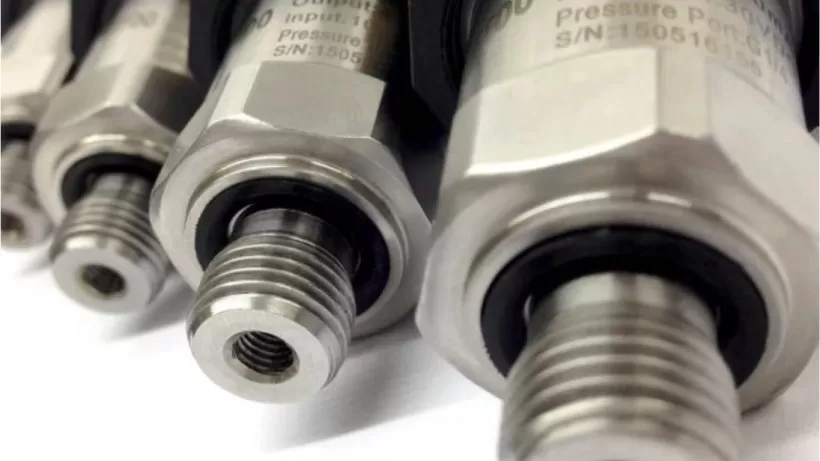
In industrial environments, accurate pressure measurement is essential for maintaining process control, safety, and efficiency. Pressure transmitters convert physical pressure into electrical signals that help monitor and regulate everything from water systems and air compressors to HVAC and manufacturing processes. However, even the most advanced sensor can drift over time due to environmental conditions, mechanical stress, or normal wear. That's why regular pressure transmitter calibration is critical to ensuring long-term accuracy and reliability.
Calibration is not just a maintenance task—it's a vital process that directly affects product quality, system stability, and compliance with industry standards. In this article, we'll explore how calibration works, why it's important, and how Lefoo pressure transmitters make it easier to maintain precision in industrial operations.
Calibration is the process of comparing a pressure transmitter's output with a known reference standard and adjusting it if necessary to match accurate readings. Over time, factors such as temperature variation, mechanical vibration, and exposure to harsh environments can cause small deviations in sensor output.
By recalibrating the transmitter, technicians ensure that the device continues to produce readings that reflect true system pressure. This process helps maintain measurement accuracy, reduces downtime, and ensures compliance with performance and safety standards like ISO or ANSI.
In practical terms, calibration involves applying known pressure values to the transmitter and recording its corresponding electrical outputs. Any discrepancy between the measured and expected values is corrected through fine-tuning or digital adjustment.
Ensures Process Accuracy
Incorrect pressure readings can lead to inefficient operation, product defects, or even safety hazards. Regular calibration guarantees that systems maintain consistent performance.
Prevents Downtime and Equipment Damage
A miscalibrated transmitter might fail to detect abnormal pressure levels, leading to pump failure, leaks, or equipment breakdown.
Supports Regulatory Compliance
Many industries, such as food processing, pharmaceuticals, and energy, require documented calibration to meet strict quality standards.
Extends Instrument Lifespan
Routine calibration identifies early sensor drift or degradation, allowing for timely maintenance and reduced replacement costs.
In short, accurate pressure transmitters are the backbone of reliable automation, and calibration is the key to preserving their integrity.
Establish a Regular Calibration Schedule
The optimal frequency depends on the environment and application. High-pressure or high-temperature environments typically require more frequent calibration—every 6 to 12 months. For stable, low-stress systems, annual calibration may suffice.
Use Certified Reference Standards
Always calibrate transmitters using traceable reference instruments certified by national metrology organizations. The accuracy of the reference device should exceed that of the transmitter being calibrated.
Control Environmental Conditions
Temperature, humidity, and vibration can affect calibration accuracy. Perform the procedure in a controlled environment to ensure consistent results.
Follow Manufacturer Specifications
Each pressure transmitter model has unique calibration parameters. Lefoo pressure transmitters, for example, provide detailed datasheets specifying calibration ranges, output signals, and adjustment procedures.
Document Every Calibration Activity
Keep precise records of calibration results, including pre- and post-adjustment data. This documentation supports traceability and quality audits.
Verify Zero and Span Settings
Calibrate both the zero point (the minimum pressure) and span (the full-scale output). In digital transmitters, these settings can often be adjusted electronically for finer accuracy.
Use Digital Tools for Smart Calibration
Modern calibration systems allow digital communication with transmitters for automatic adjustment. Lefoo's digital models can be easily integrated with calibration equipment using standard industrial communication protocols.
Lefoo has built its reputation on producing high-quality, reliable pressure transmitters for diverse industrial applications. Each transmitter is factory-calibrated using advanced precision instruments and undergoes rigorous quality control before shipment.
Lefoo transmitters feature:
High-accuracy sensors with minimal drift over time.
Temperature compensation for stable output in variable environments.
Rugged construction that withstands mechanical stress, vibration, and corrosion.
Easy field calibration with accessible zero and span adjustments.
Digital interface options for remote monitoring and recalibration.
Models such as Lefoo's high-precision pressure transmitters are ideal for industrial automation, HVAC systems, water treatment facilities, and air compressor applications. Their superior long-term stability minimizes the frequency of recalibration without compromising accuracy.
Static Pressure Calibration
This traditional method uses a deadweight tester or reference pressure gauge to apply known pressure points. It's reliable for high-accuracy calibration in controlled environments.
Electronic or Automated Calibration
Increasingly popular in smart factories, this method uses digital calibrators that communicate directly with transmitters. It speeds up the process and minimizes human error.
In-Situ Calibration
In some cases, transmitters can be calibrated directly within the system without removal. This method is convenient for continuous operations but requires stable system conditions.
Lefoo pressure transmitters are compatible with all these calibration methods, ensuring flexibility and ease of maintenance for different industries.
Even after calibration, maintaining long-term accuracy requires ongoing attention. Operators should monitor system performance regularly and watch for any signs of drift, such as inconsistent readings or unusual process behavior.
Lefoo recommends pairing transmitters with clean, dry pressure lines, avoiding mechanical shock, and protecting sensors from extreme temperatures or corrosive substances. Regular preventive maintenance and periodic recalibration ensure that your measurement system performs flawlessly year after year.
With their advanced design, rugged construction, and easy calibration features, Lefoo pressure transmitters deliver stable and accurate performance across a wide range of applications. By following best calibration practices and leveraging Lefoo's technology, businesses can ensure consistent measurement quality — the foundation of modern industrial excellence.



 Log in
  English
  日本語
日本語  한국어
한국어  français
  Deutsch
  Español
  italiano
  русский
  português
  العربية