

In today's increasingly automated and interconnected world, pressure sensors play a crucial role in countless applications across industries. From ensuring accurate HVAC system operation to monitoring critical conditions in medical equipment, these small but powerful devices help maintain performance, safety, and efficiency.
But what exactly are pressure sensors? How do they work, and where are they used? In this article, we'll explore the fundamentals of pressure sensors, the types available, their applications, and what to consider when choosing the right one.
A pressure sensor is a device that measures the pressure of gases or liquids. It converts physical pressure into an electrical signal that can be read by an instrument or control system. This pressure can be absolute, gauge, or differential, depending on the application.
These sensors are commonly integrated into broader systems to provide feedback, enable automation, and ensure proper operation. For example, in an HVAC system, pressure sensors can monitor refrigerant levels to maintain system efficiency.
Pressure sensors operate by detecting the force exerted by a fluid or gas and converting it into a measurable output signal. Here's a basic breakdown of the process:
Sensing Element: This is the core of the pressure sensor, where the pressure is physically applied. Common sensing technologies include:
Piezoresistive: Changes in electrical resistance are used to measure pressure.
Capacitive: Pressure changes the distance between two capacitor plates.
Strain gauge: Measures deformation in a material caused by pressure.
Signal Conditioning: The raw signal from the sensing element is typically very small, so it is amplified, filtered, and converted into a usable format (analog or digital).
Output: The signal is then sent to a display, controller, or system interface. Outputs may include voltage (0-5V, 0-10V), current (4-20 mA), or digital (I2C, SPI, etc.).
There are several types of pressure sensors, each designed for specific use cases:
These measure pressure relative to a perfect vacuum (0 psi or 0 bar). They're often used in high-altitude or aerospace applications, where accurate vacuum reference is essential.
These measure pressure relative to atmospheric pressure. Most common in industrial and automotive applications, gauge sensors help monitor internal pressure in tanks, pipelines, and tires.
These measure the difference between two pressure points. Ideal for flow monitoring and filter performance in HVAC systems, these sensors offer valuable insights into pressure variations.
It's important to distinguish between three commonly confused devices:
Pressure Sensor: Provides raw pressure readings, often without signal conditioning.
Pressure Transmitter: Includes a pressure sensor and signal conditioning, sending standardized output signals over longer distances.
Pressure Switch (Pressostat): A mechanical or electronic switch that activates or deactivates a circuit when a set pressure threshold is reached.
Understanding these differences ensures that you choose the right device for your specific needs.
The versatility of pressure sensors makes them essential in many industries:
Pressure sensors monitor refrigerant levels, duct pressure, and filter status. In modern HVAC systems, maintaining optimal pressure is key to energy efficiency and system longevity.
Factories and plants use pressure sensors for process control, leak detection, and machinery safety. Sensors help maintain consistent performance in systems such as hydraulic presses, pneumatic tools, and chemical reactors.
Pressure sensors are found in tire pressure monitoring systems (TPMS), fuel systems, oil pressure monitoring, and air conditioning. They ensure vehicle safety, emissions control, and fuel efficiency.
In critical applications such as ventilators, blood pressure monitors, and infusion pumps, accurate pressure sensing is vital. Sensors must be reliable, sterile, and capable of detecting tiny pressure changes.
Sanitary pressure sensors are used to monitor the pressure of gases and liquids in food processing. They must meet strict hygiene standards and resist corrosion from cleaning agents.
In water filtration plants and environmental systems, pressure sensors help detect clogs, flow rates, and pump performance, ensuring smooth and efficient operation.
When selecting a pressure sensor for your application, several factors should be evaluated:
Choose a sensor that covers the full pressure range of your application. Operating too close to the limits can cause inaccurate readings or sensor failure.
For applications like medical monitoring or aerospace control, high accuracy is essential. Choose a sensor with a suitable percentage of full-scale error.
Ensure the sensor materials are compatible with the fluids or gases they will contact. For corrosive media, stainless steel or special coatings may be necessary.
Depending on your system, you may need analog output (voltage or current) or digital output (like I2C or SPI).
Will the sensor be exposed to extreme temperatures, vibration, or humidity? Ensure it has the necessary IP rating and ruggedness.
Some systems require fast reaction times. For example, in automotive safety or real-time medical monitoring, rapid pressure changes must be detected instantly.
Using reliable and precise pressure sensors in your systems offers multiple benefits:
Improved Efficiency: Maintain optimal operating conditions to reduce energy consumption.
Increased Safety: Detect faults or anomalies before they lead to failure.
Reduced Maintenance: Predictive maintenance is made easier with consistent pressure monitoring.
Data Collection: In smart systems, pressure data can be analyzed for optimization and diagnostics.
Compliance: In regulated industries (e.g., medical, food), accurate sensing is required for certification and legal compliance.
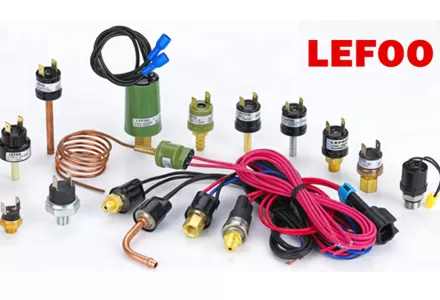
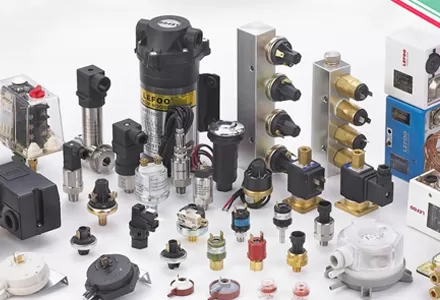
Lefoo is recognized globally for manufacturing high-performance pressure sensors, transmitters, and switches that meet international standards. With decades of experience and an ongoing commitment to innovation, Lefoo products are trusted in a variety of industries including HVAC, medical, industrial, and consumer electronics.
Some key advantages of Lefoo sensors include:
Compact and rugged designs
Competitive pricing without compromising quality
Wide pressure range availability
Compatibility with various media
Customization options for OEM applications
Whether you're building an HVAC system, automating a production line, or designing medical equipment, Lefoo pressure sensors deliver the performance and reliability you need.
Pressure sensors are indispensable in modern technology. Their ability to monitor and report changes in pressure makes them vital to the performance, safety, and efficiency of systems across industries. By understanding how they work and selecting the right sensor for your application, you can improve operations, reduce costs, and enhance safety.
Whether you need a simple gauge sensor or a complex differential pressure transmitter, make sure to prioritize quality and compatibility. For reliable solutions across all applications, consider the wide range of Lefoo pressure sensors—engineered for precision, durability, and value.



 Log in
  English
  日本語
日本語  한국어
한국어  français
  Deutsch
  Español
  italiano
  русский
  português
  العربية