
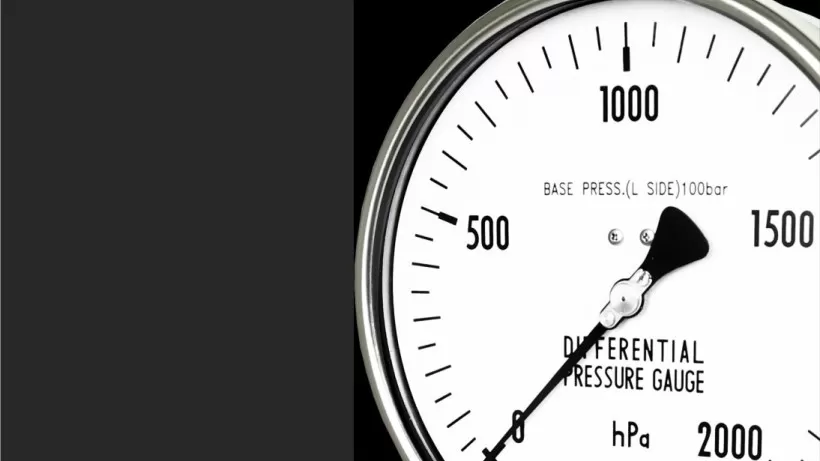
In modern industrial systems, maintaining control over pressure levels is vital for efficiency, safety, and performance. While pressure switches are widely known for regulating positive pressure, vacuum switches (also called vacuostats) play an equally important role in applications where negative pressure or vacuum must be monitored and controlled.
Lefoo, a trusted global manufacturer of pressure control devices, offers a wide range of vacuum switches that are reliable, durable, and highly precise. In this article, we will explain what vacuum switches are, how they work, and the main industries where they are applied.
A vacuum switch is an electromechanical device designed to monitor vacuum (negative pressure) in a system. When a specific vacuum level is reached, the switch either opens or closes an electrical circuit to trigger an action, such as starting or stopping a pump, activating an alarm, or protecting equipment from damage.
Unlike pressure switches that work with positive pressure, vacuum switches are specifically built to handle conditions below atmospheric pressure. This makes them essential in industries that require air evacuation, suction, or controlled low-pressure environments.
The basic working principle of a vacuum pressure switch is straightforward:
Vacuum Detection – A diaphragm or sensor inside the device detects the vacuum level in the system.
Setpoint Activation – When the vacuum reaches the predefined setpoint (either too high or too low), the switch changes state.
Control Signal – The switch then sends an electrical signal to connected devices, such as pumps, motors, or alarms.
Modern vacuum switches, such as those produced by Lefoo, feature high sensitivity, compact design, and long service life, making them ideal for both simple and complex systems.
Vacuum switches are highly versatile and used across a wide variety of industries. Below are the five most common applications where Lefoo vacuum switches prove indispensable.
Vacuum switches are essential in controlling vacuum pump systems, ensuring they operate efficiently and safely.
How they work: When the vacuum level drops below the desired range, the switch activates the pump. Once the correct vacuum is achieved, the switch shuts it off.
Benefits:
Prevents pumps from overworking.
Reduces energy consumption.
Extends pump lifespan.
This makes vacuum switches a critical component in both industrial and laboratory vacuum systems.
In HVAC and refrigeration systems, vacuum switches help monitor refrigerant evacuation and airflow conditions.
Application examples:
Monitoring refrigerant vacuum during charging or servicing.
Detecting leaks in refrigeration lines.
Controlling airflow in duct systems.
Benefits:
Improves overall system reliability.
Prevents costly downtime due to leaks or blockages.
Ensures compliance with energy efficiency standards.
Lefoo vacuum switches are widely adopted in commercial and residential HVAC systems for their durability and accuracy.
Vacuum technology is heavily used in the food and beverage industry, especially for packaging and preservation.
How it works: Vacuum switches regulate the vacuum level during packaging processes, such as sealing bags, jars, or containers.
Benefits:
Extends product shelf life by reducing oxygen exposure.
Maintains product freshness and safety.
Ensures consistent packaging quality.
By providing precise vacuum control, Lefoo vacuum switches help food manufacturers achieve both regulatory compliance and customer satisfaction.
In the medical field, precision and reliability are non-negotiable. Vacuum switches are widely used in medical and laboratory devices, where they play a role in safety and performance.
Examples of use:
Oxygen concentrators.
Sterilization systems.
Surgical suction devices.
Laboratory vacuum chambers.
Benefits:
Ensures stable vacuum levels for delicate procedures.
Protects patients and medical staff by avoiding malfunctions.
Provides consistent results in laboratory testing.
Lefoo vacuum switches are built to meet strict industry standards, making them suitable for healthcare applications worldwide.
The automotive sector also relies on vacuum switches in various systems. For example, they are used in braking systems, engine performance monitoring, and emission controls.
Benefits:
Enhances vehicle safety through stable brake performance.
Improves fuel efficiency and engine control.
Helps automakers comply with environmental regulations.
Vacuum switches have become increasingly important as vehicles adopt more advanced electronic and safety systems.
Choosing Lefoo vacuum switches offers several competitive advantages:
Wide operating range – Suitable for various vacuum levels.
Durable construction – Resistant to wear and harsh conditions.
Compact and lightweight design – Easy to integrate into different systems.
High precision – Accurate detection ensures reliable system performance.
Compliance with global certifications – Including CE, RoHS, and ISO standards.
With years of expertise in pressure and vacuum solutions, Lefoo provides switches that meet the demands of industrial, commercial, and medical applications.
Vacuum switches, or vacuostats, are an essential component in modern industries where negative pressure control is required. From vacuum pumps and HVAC systems to food packaging, medical equipment, and automotive applications, these devices ensure safety, efficiency, and performance.
Lefoo, with its strong reputation and innovative engineering, continues to deliver vacuum switches that meet the highest standards of reliability and precision. As industries evolve and demand more sophisticated control solutions, Lefoo remains a trusted partner for businesses worldwide.




 Log in
  English
  日本語
日本語  한국어
한국어  français
  Deutsch
  Español
  italiano
  русский
  português
  العربية